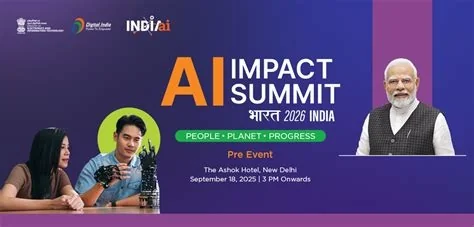
At the India‑UK AI Impact Summit, UK Deputy Prime Minister David Lammy unveiled a bilateral AI trade framework designed to fast‑track joint innovation, talent exchange, and regulatory harmony between Britain and India. The deal aims to boost AI‑driven growth, create new market opportunities, and deliver faster public‑service solutions for citizens on both sides of the Himalayas.
Why the UK Is Putting AI at the Heart of Diplomacy
The UK government has made artificial intelligence a cornerstone of its foreign policy, positioning AI as a catalyst for economic renewal and global cooperation. By championing AI partnerships, Britain hopes to attract private capital, showcase its tech expertise, and strengthen strategic ties with fast‑growing economies.
Key Pillars of the AI Trade Framework
- Joint Innovation Hubs – Co‑funded labs in London and Bengaluru that let startups and research institutes develop AI tools for health, education, and municipal services.
- Skills Exchange Programme – A reciprocal visa stream for AI talent, backed by the UK’s AI Opportunities Action Plan, that speeds up hiring and knowledge transfer.
- Regulatory Alignment – Harmonised safety standards and ethical guidelines to ensure AI applications meet robust, fair criteria across borders.
Business and Public‑Service Impact
For UK firms, the framework could unlock a multi‑billion‑dollar market in India, where digital transformation is accelerating across fintech, agritech, and beyond. Indian companies, in turn, gain clearer pathways to the UK’s high‑quality AI ecosystem and its extensive venture‑capital network.
Public‑sector leaders are watching closely. If shared standards speed up AI deployment, you could see faster disease detection, more responsive local government services, and AI‑assisted legal advice in your community.
Practitioner Insights
AI Minister Kanishka Narayan summed up the practical angle: “Our aim is to turn ambition into action. By aligning our regulatory frameworks and creating joint innovation hubs, we give businesses the certainty they need to invest and scale.”
A senior engineer at a London‑based AI startup explained that the skill‑exchange visa would “dramatically reduce the time it takes to bring Indian talent into our R&D pipelines,” and that access to Indian datasets could “unlock new product lines we simply can’t develop in isolation.”
Next Steps and What It Means for You
The UK and India plan to finalise the agreement before the summit closes, with a signing ceremony slated for the final day. If the deal holds, it will become the first comprehensive AI‑focused trade pact between a European and a South Asian economy, setting a template for future collaborations.
Ultimately, the partnership promises more AI‑powered jobs, faster innovation, and better public services – benefits that you and your organisation can start tapping into right away.