South Korea has just sealed a strategic AI defense pact with the Netherlands and Spain, linking cutting‑edge research, joint industry projects, and shared standards for military technology. The agreement, unveiled at the REAIM summit, promises faster access to AI‑driven drones, cyber‑defence tools, and semiconductor innovations, positioning you and your organization to benefit from a new supply‑chain corridor outside traditional US channels.
Why AI Defense Matters Now
Geopolitical tension, rapid autonomous‑system advances, and a race for global standards are converging on the battlefield. Nations that set the rules today will capture the market tomorrow, and the trio’s combined expertise gives them a decisive edge. It’s not just theory—real‑world deployments are already shaping the next generation of combat platforms.
Strategic Goals of the Trio
The partnership aims to:
- Align international norms on military AI at the United Nations and other forums.
- Accelerate joint R&D in semiconductors, drones, and cyber‑defence.
- Open procurement channels for Korean AI‑enabled hardware in Europe.
- Share test‑beds for autonomous systems, reducing development costs for all parties.
Key Projects and Industry Moves
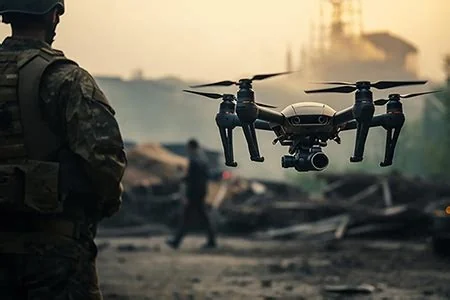
South Korean firms such as Hanwha Systems and LIG Nex1 are gearing up to showcase AI‑powered drones at upcoming European defence expos. Dutch semiconductor leader ASML is exploring joint programmes to optimise AI‑driven chip processes, while Spanish defence contractors are negotiating collaborative contracts for intelligent surveillance networks.
Impact on the Global Defense Market
By creating a supply‑chain corridor that bypasses traditional US‑centric routes, the alliance offers faster delivery of cutting‑edge tools to European militaries. This shift could pressure other powers to rethink their own AI strategies, and you may soon see more competitive pricing and diversified technology sources across the board.
Future Outlook for the Alliance
Looking ahead, the Korea‑Netherlands‑Spain bloc could become a template for other middle‑power collaborations. If they keep their regulatory approaches synchronized and maintain open export‑control policies, they’ll set de‑facto standards that rival larger frameworks. The real test will be whether the partnership can stay cohesive as geopolitical pressures mount—but early signs suggest a cautious optimism.