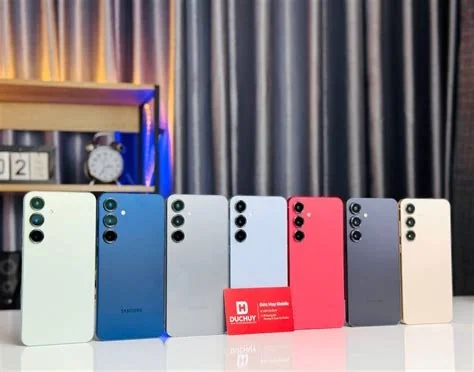
Samsung’s Galaxy S26 Plus arrives with a 6.7‑inch OLED display, Snapdragon 8 Elite Gen 5 processor, 12 GB RAM, 512 GB storage, and a 4,900 mAh battery. Priced around $999, it slots between the standard S26 and the Ultra model, offering a modest performance boost without a radical redesign. Here’s what you need to know before deciding. If you value continuity and incremental upgrades, the S26 Plus might be the sweet spot.
Key Specifications
- Display: 6.7‑inch Dynamic OLED, 120 Hz refresh rate
- Processor: Snapdragon 8 Elite Gen 5 (U.S.) / Exynos 2600 (global)
- Memory & Storage: 12 GB RAM, 512 GB UFS 4.0
- Battery: 4,900 mAh with fast‑charge support
- Cameras: Triple‑lens system, centered punch‑hole selfie camera
- OS: Android 15 with One UI 6
Design and Build
The S26 Plus keeps the flat‑edge silhouette introduced with the S23 line. The glass back and centered punch‑hole camera remain unchanged, so you’ll recognize the phone instantly if you’ve used a recent Samsung flagship. Minimal visual tweaks mean the device feels familiar while still looking premium.
Performance and Chipset
In the United States, the Snapdragon 8 Elite Gen 5 delivers up to 15 % faster GPU throughput compared to its predecessor, while the Exynos 2600 powers most other markets. Both chips are built on a refined 5 nm process, offering better efficiency and smoother multitasking with the 12 GB of RAM.
Battery Life
With a 4,900 mAh cell, you can expect a full day of heavy use and even longer on moderate workloads. Fast‑charging support helps you top up quickly, so you won’t be tethered to a wall for long.
Pricing and Market Position
The launch price hovers around $999, placing the S26 Plus neatly between the $799 base S26 and the $1,199 Ultra. This tiered pricing strategy lets Samsung cater to a broad audience without alienating budget‑conscious buyers.
Impact for Users and Professionals
For everyday users, the continuity in design means you won’t need to relearn gestures or navigation patterns. Developers benefit from a stable UI language, reducing the need for extensive re‑testing. Repair technicians also appreciate the familiar chassis, which means existing tools and replacement parts remain compatible.
Future Outlook
The real test will be how the Exynos 2600 stacks up against the Snapdragon 8 Elite Gen 5 in real‑world scenarios. If Samsung narrows the performance gap, the S26 Plus could become the go‑to flagship for markets that favor in‑house silicon. Keep an eye on benchmark releases and early user feedback to see whether the incremental upgrades pay off.