Rivian and Tesla are racing to dominate autonomous driving by building their own AI chips, and the showdown could decide which brand delivers the fastest, most reliable self‑driving experience. Both companies claim that in‑vehicle silicon cuts latency, saves energy, and lets you get updates faster than cloud‑based solutions. Here’s what you need to know about the chip battle.
Rivian’s Custom AI Processor
Rivian unveiled a home‑grown AI chip as part of its Autonomy+ platform, aiming to power perception, planning, and control directly inside the vehicle. By keeping compute on board, Rivian hopes to reduce reliance on external clouds and deliver smoother, real‑time responses.
Key Benefits of Rivian’s Chip
- Lower latency for instant decision‑making.
- Higher energy efficiency that extends driving range.
- Full control over software updates without waiting for third‑party roadmaps.
Tesla’s AI5 Chip Strategy
Tesla is doubling down on its AI5 silicon, positioning it as the core of its robotaxi ambitions. The company believes that perfecting AI5 is the single most critical step toward scaling a fleet of autonomous rides.
Why AI5 Matters
The AI5 chip leverages Tesla’s massive data collection to refine algorithms faster than competitors. If the chip reaches production soon, it could give Tesla a decisive edge in both performance and cost.
Why the Chip Battle Matters to You
When manufacturers control the brain of the car, they control the road experience you’ll get. Custom silicon promises faster feature rollouts, more reliable hands‑free operation, and a future where updates feel like new software rather than a hardware upgrade.
Industry Ripple Effects
The race is pushing foundries to ramp up advanced node capacity and design houses to meet strict power‑and‑performance targets. Regulators are also watching closely, as any software slip could tighten safety standards for everyone.
Practitioner Insight
“Designing a custom AI accelerator for automotive use is a high‑stakes gamble,” says a senior hardware engineer at a Tier‑1 supplier. “You need to balance raw compute with automotive‑grade reliability and thermal constraints. Seeing both Rivian and Tesla commit resources tells us the industry believes the payoff—in performance and IP protection—is worth the risk.”
What to Watch Next
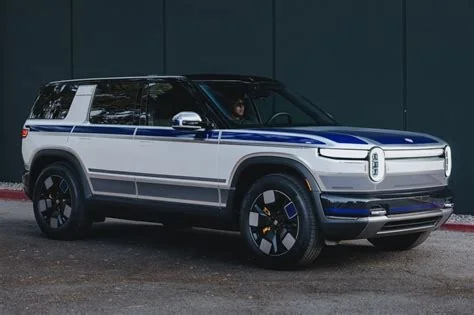
Keep an eye on two milestones: the debut of Rivian’s next SUV equipped with the Autonomy+ chip, and Tesla’s first production models powered by AI5. Will Rivian’s early rollout give it a foothold, or will Tesla’s data‑rich ecosystem keep it ahead? The outcome will shape not just the EV hierarchy but the very architecture of future self‑driving cars.