Rapidus, a Tokyo‑based next‑gen semiconductor startup, just secured a 5 billion‑yen (≈$500 million) investment from JX Gold, shifting the company toward domestic chip manufacturing. The funding targets a 2 nm production line, with government backing and major banks ready to finance, signaling a major step for Japan’s semiconductor self‑sufficiency.
JX Gold’s Strategic Investment
JX Gold, historically focused on gold mining and refining, announced a decisive pivot to semiconductor materials in 2023. By injecting 5 billion yen directly into Rapidus, the firm aims to accelerate Japan’s “domestic advanced semiconductor” vision. The capital surge pushed Rapidus shares past the ¥4,145 mark, reflecting strong investor confidence.
Government Stake and Voting Rights
The Japanese government also pledged support, but its voting power remains capped at just over 10 %. This structure ensures that Rapidus stays primarily under private control, fostering innovation without excessive state interference. While the exact government contribution isn’t disclosed, its minority stake aligns the project with national technology strategies.
Preparing for 2nm Chip Production
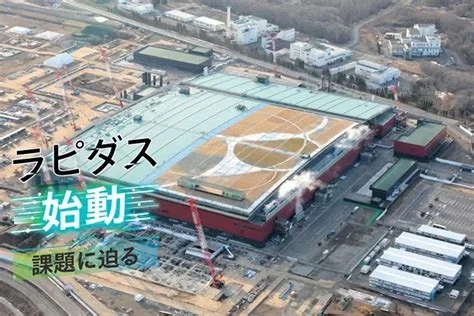
Rapidus has established its main facility in Chitose, Hokkaido, leveraging the region’s natural cooling environment. The 2 nm node far outpaces today’s leading 5 nm and 3 nm processes, targeting AI accelerators and ultra‑fast supercomputers. The company plans to launch a pilot line by the end of fiscal 2025 and move to volume production by fiscal 2027.
Key Technological Milestones
- Extreme Lithography: Deploying EUV tools costing over ¥1 billion each.
- Material Supply Chain: Securing stable silicon‑on‑insulator (SOI) wafers.
- Cleanroom Infrastructure: Building a Class 1 environment to meet 2 nm tolerances.
Bank Financing Commitment
Following the investment, three major Japanese banks—including Mitsubishi UFJ and Mizuho—submitted financing intent letters, confirming their readiness to back Rapidus’s capital needs. Minister Akasawa acknowledged these letters, underscoring a public‑private partnership aimed at reducing financing hurdles for the emerging chipmaker.
Market Reaction and Industry Impact
Investors are watching closely as Japan’s semiconductor self‑sufficiency sits below 10 % of domestic demand. Rapidus’s push for “made‑in‑Japan” chips could challenge global leaders like TSMC and Samsung, especially amid rising geopolitical tensions that threaten existing supply chains. The move is seen as a potential catalyst for strengthening local manufacturing capabilities.
Insights from Semiconductor Engineers
Industry experts note that the capital influx dramatically lowers financial risk, yet technical hurdles remain steep. “The cost of a single EUV lithography system exceeds ¥10 billion, and maintaining a 2 nm cleanroom demands rigorous material and environmental controls,” one senior engineer explained. With JX Gold and government support, Rapidus can focus on accelerating R&D and stabilizing its supply chain.
Future Challenges and Outlook
Success hinges on overcoming several obstacles: securing advanced equipment, attracting skilled talent, and protecting intellectual property internationally. While the investment showcases a hybrid public‑private model, continued private sector participation will be crucial. If Rapidus achieves 2 nm volume production, Japan could claim a significant foothold in next‑generation AI and high‑performance computing chips.