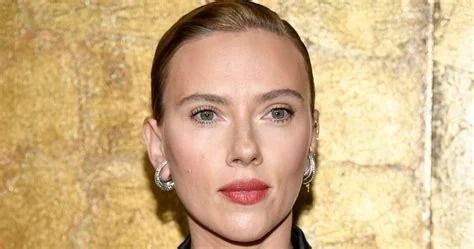
OpenAI has removed the popular “Sky” voice from ChatGPT after actress Scarlett Johansson said it sounded almost identical to her own. The company confirmed the voice was recorded by a professional actress, not Johansson, and temporarily disabled it while reviewing the complaint. This move highlights growing concerns over AI voice cloning.
Why the Sky Voice Sparked Controversy
Users quickly noticed that Sky’s cadence and timbre mirrored Johansson’s signature delivery, especially the subtle pauses she’s known for. When the actress publicly described the similarity as “unsettling,” the conversation shifted from a simple feature tweak to a broader debate about consent and likeness rights. You’ll find that many developers now question how their own voice assistants might be perceived.
Impact on Developers and Creators
For developers, a voice that feels too familiar can erode trust with end‑users, who may suspect hidden data collection. Creators, on the other hand, see their personal brand diluted when an algorithm mimics them without permission. The fallout has already prompted several startups to pause voice‑model training until they can verify clear releases.
Legal and Ethical Implications
While no lawsuit has been filed yet, the incident underscores how courts are beginning to treat vocal likeness as a protectable asset. Companies that ignore these emerging standards risk facing litigation, regulatory scrutiny, or costly settlements. It’s a reminder that ethical considerations are becoming legal requirements.
What Companies Can Do Now
- Audit voice datasets to ensure no likeness to public figures.
- Implement opt‑out mechanisms for individual voice owners.
- Secure clear licensing before training models on copyrighted audio.
What This Means for You
If you rely on AI‑generated speech for your business, you’ll need to revisit your data‑collection policies today. Expect tighter vetting processes, more transparent consent forms, and possibly new “voice contracts” that spell out permissible uses. By staying proactive, you can avoid the kind of backlash that forced OpenAI to pull Sky and keep your users confident in the technology.