
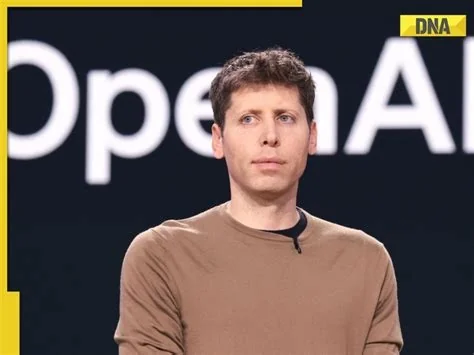
OpenAI just hired Ruomin Pang, a senior AI researcher who recently left Meta, to strengthen its foundation‑model capabilities. The move signals OpenAI’s aggressive push to outpace rivals by securing top talent, and it gives you a glimpse of how the AI talent war is reshaping the industry. This recruitment could reshape competitive dynamics across the sector.
Why OpenAI’s Hire Matters
First, securing Pang shows that expertise in large‑scale AI infrastructure is now a scarce, high‑value commodity. Companies are racing not just for market share but for engineers who can design and scale next‑generation models. Second, Pang’s experience could shave months off OpenAI’s development timeline, giving the firm a tangible edge.
Pang’s Track Record
Pang spent over four years at Apple leading a team that built large language models, then joined Meta with a compensation package exceeding $200 million. After less than eight months, he chose OpenAI, attracted by the company’s persistent effort to bring him on board.
Impact on the AI Talent Landscape
The hiring underscores that AI firms are building “talent arsenals” rather than just product pipelines. By adding a leader who has proven both algorithmic breakthroughs and the engineering scaffolding needed for scale, OpenAI is bolstering its capacity to deliver production‑ready systems.
What This Means for Competitors
Meta’s aggressive offers no longer guarantee retention, prompting a potential rethink of its compensation strategy. The high‑stakes talent war could drive up development costs across the sector, influencing valuation multiples for firms that showcase marquee talent.
Key Takeaways for You
- Talent scarcity is shaping AI innovation speed.
- High‑pay packages are becoming the norm for top engineers.
- Companies that attract and retain elite talent are poised to lead the next wave of breakthroughs.
For you watching the AI space, the question now is whether the “pay‑to‑play” model will deliver proportional returns. OpenAI’s bold move suggests they believe it will.


