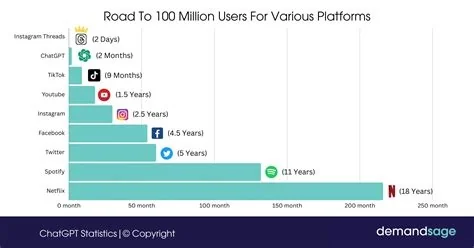
OpenAI just revealed that India now has 100 million weekly active users of ChatGPT, making it the company’s second‑largest market after the United States. The surge reflects rapid adoption across students, professionals, and developers, and it signals huge growth potential for AI services in the sub‑continent.
Why India’s ChatGPT Adoption Is Soaring
First, the country’s internet user base has crossed the billion‑mark, and a young, cost‑conscious population craves affordable knowledge on demand. OpenAI’s sub‑$5 “ChatGPT Go” tier, offered free for a year, lowered the entry barrier and resonated with price‑sensitive users.
Second, students are driving the numbers. Campuses and dorm rooms are buzzing with ChatGPT‑powered essay drafts, code debugging, and language practice. You’ll notice that many Indian learners now rely on the chatbot for everyday academic tasks.
Government Support and AI Strategy
The Indian government’s “IndiaAI Mission” aims to boost computing power, nurture startups, and embed AI into public services. By aligning policy with private‑sector ambition, the ecosystem is primed for rapid adoption.
Challenges Turning Usage Into Revenue
While the free‑year offer sparked growth, it also delays monetisation. Rural broadband gaps limit the rollout of higher‑tier, paid services, and converting the massive user base into sustainable income remains a hurdle.
- Infrastructure gaps in tier‑2 and tier‑3 cities
- Need for localized pricing models
- Potential for bundled education‑focused products
Impact on Startups and Developers
Local AI developers are integrating the ChatGPT API into niche solutions—regional‑language tutoring apps, automated customer‑support bots, and more. Ravi Kumar, a Bengaluru‑based AI entrepreneur, says the milestone validates the demand he’s seen on the ground.
“The free‑year tier lowered the barrier for schools to experiment, and now they’re asking for premium features like customised curricula and analytics dashboards,” he explains. Reliable internet connectivity, however, still poses a challenge.
What This Means for OpenAI’s Global Strategy
If India continues adding tens of millions of active users each quarter, OpenAI’s worldwide weekly active base could edge past one billion soon. That data advantage fuels model improvements and keeps the company ahead of rivals.
Looking Ahead for Policymakers and the AI Community
Policymakers now have a clear mandate to nurture AI‑friendly regulations while tackling the digital divide. Upcoming initiatives may include incentives for edge‑computing deployments and public‑private partnerships to expand broadband.
In short, the 100 million figure isn’t just a vanity metric—it shows that India has moved from early adopter to core market for conversational AI. You’ll likely see more localized products, pricing experiments, and infrastructure investments as the ecosystem matures.