
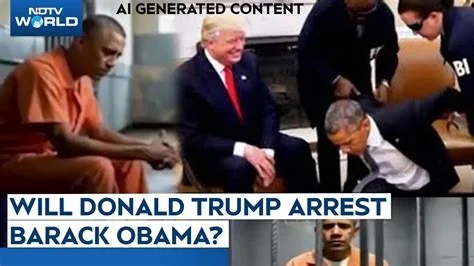
Former President Barack Obama broke his silence to call the AI‑generated video Trump posted on Truth Social “deeply troubling” and “racist.” The clip, which turned the Obamas into apes, sparked outrage and highlighted how synthetic media can be weaponized. Obama’s rebuke puts pressure on platforms and lawmakers to act before similar attacks spread.
Why the Deepfake Matters
The incident shows how quickly AI can create hateful content that looks real. When a former president is reduced to a caricature with a single click, it erodes public trust in visual media and fuels harmful stereotypes. Understanding the risk is the first step toward protecting democratic discourse.
Political Fallout
Trump refused to apologize, framing the controversy as a free‑speech issue. Obama, meanwhile, called the episode a “clown show” that distracts from real policy debates. Their clash underscores a growing divide: one side defends unrestricted expression, the other demands accountability for synthetic media.
Tech Industry Response
Platforms are now under intense scrutiny to deploy real‑time detection tools. Companies claim their algorithms can flag deepfakes with high accuracy within seconds. If you run a social network, you’ll need to integrate watermarking and provenance checks directly into your upload pipeline to stay ahead of malicious actors.
- Implement AI‑driven detection that scans videos at upload.
- Require clear labeling of synthetic content.
- Adopt “trust but verify” policies that combine automated checks with human review.
What You Can Do
Stay vigilant when you see shocking videos online. Verify the source, look for official statements, and question content that seems designed to provoke. By demanding transparency, you help push platforms and lawmakers toward stronger safeguards.


