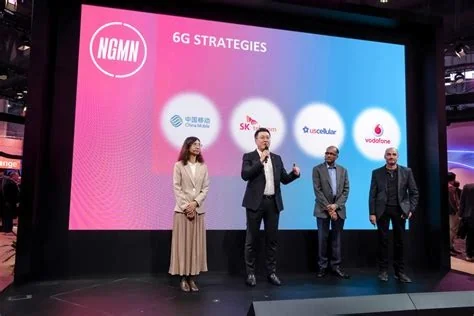
NGMN just released its AI‑6G white‑paper, outlining how artificial‑intelligence workloads will reshape mobile architecture. The 19‑page guide proposes an evolutionary, operator‑driven path that keeps 5G investments intact while adding dynamic uplink capacity, AI‑native compute and token‑based billing. You’ll find the core principles, design pillars and business implications in a concise format.
Why Network Flexibility Is Critical
Today, video still dominates traffic, but AI‑driven devices—augmented‑reality glasses, autonomous fleets, industrial robots—are set to reverse that pattern. Those use cases generate massive uplink streams, forcing operators to rethink static downlink‑heavy designs.
Dynamic Uplink‑Downlink Balancing
The blueprint calls for standard‑level mechanisms that let you tweak the uplink‑to‑downlink ratio on the fly. Base stations would feature enhanced uplink slots, turning the radio access network into a fluid conduit that adapts as AI workloads evolve.
Building on 5G, Not Tearing It Down
NGMN stresses an evolutionary approach: preserve interoperability, protect existing assets, and avoid unnecessary complexity. The paper highlights three AI‑enabled capabilities you’ll likely see rolled out gradually—intent‑driven programmability, autonomous operation, and dynamic compute distribution across edge and core.
Key Design Principles
- Flexibility – modular, disaggregated architecture that can be re‑programmed.
- Sustainability – energy‑efficient operation as AI workloads grow.
- Trustworthiness – security and privacy baked into the core.
- Cloud‑native design – containers, micro‑services, and orchestration.
Monetising an AI‑Heavy Future
Token‑based charging emerges as a way to meter bandwidth or edge‑compute cycles per use. This model could give enterprises a fairer cost structure and encourage efficient use of scarce compute resources.
On‑Demand Private Networks
The blueprint envisions short‑lived, mission‑specific slices that let you spin up isolated networks for robots or vehicle fleets without lengthy provisioning cycles.
Practical Impact for Operators
Operators are already integrating dynamic uplink scheduling into their RAN roadmaps, and token‑based billing pilots are testing enterprise appetite for edge compute. These steps illustrate how the recommendations move from theory to real‑world deployment.
Implications for the Industry
If standards bodies adopt NGMN’s guidance, 6G specs could embed AI at the core—programmable network functions, built‑in inference at the edge, and new revenue streams beyond raw data. Yet operators must balance legacy 5G assets, invest in richer uplink hardware, and develop orchestration software to manage token economies.
Ultimately, flexibility isn’t optional; it’s the foundation for a sustainable AI‑native mobile era. By aligning standards, vendors, and operators, the vision of immersive AR, autonomous logistics, and real‑time digital twins can become everyday reality.