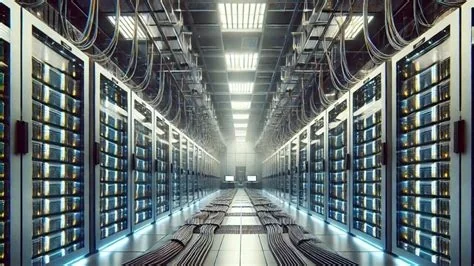
Nebius is building a 240‑megawatt hyperscale AI data centre just south of Lille, turning a former tyre plant into a 26,000‑square‑metre hub that will deliver massive GPU power for generative AI workloads. The first phase should be online by late summer, and the site promises to cut latency for European users while boosting local jobs.
Strategic Reasons Behind the French Build
Choosing France wasn’t an afterthought; the country’s AI‑focused policies line up with Nebius’s goal to shrink Europe’s reliance on overseas compute. By locating the campus near major fiber routes, the company can offer lower‑latency access to AI researchers and enterprises across the continent.
Europe’s AI Compute Gap
Modern large‑language models need sustained, high‑density GPU power that many cloud providers can’t supply at competitive rates. A 240 MW facility narrows the gap, giving European teams a home‑grown alternative that keeps data traffic within regional borders.
Government Incentives Fuel Growth
French tax credits, streamlined permitting, and support for renewable‑energy integration make the project financially attractive. Those incentives help Nebius keep construction costs in check while aligning the centre with Europe’s sustainability targets.
Impact on Local Economy
The Béthune campus will create roughly 30 full‑time positions, offering a tangible lift for a region that’s seen industrial decline. Nebius is already hiring a data‑centre IT manager, meaning you’ll see a mix of local talent and seasoned specialists shaping the operation.
- Job creation: ~30 permanent roles
- Skill development: training programs for AI‑infrastructure expertise
- Regional tech hub: strengthens Lille’s emerging data‑centre corridor
Financial Outlook for Nebius
Nebius has been riding a wave of rapid growth, with revenue surging over four‑hundred percent year‑on‑year. While the exact cost of the French site remains private, the company’s expanding pipeline—spanning Europe and the United States—signals strong demand from marquee customers.
What This Means for You
If you’re looking for low‑latency AI compute in Europe, this data centre could shorten training times for your models and reduce reliance on trans‑Atlantic links. You’ll also benefit from a provider that’s scaling capacity faster than many traditional hyperscalers, giving you more predictable pricing and performance.
In short, Nebius’s 240 MW AI hub near Lille isn’t just another brick‑and‑mortar project; it’s a strategic step toward a more self‑sufficient European AI ecosystem.