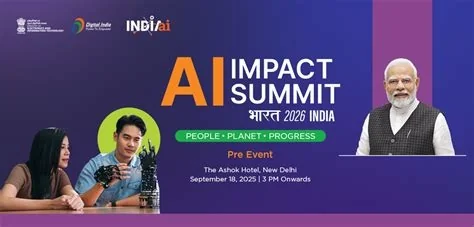
At the India AI Impact Summit, Prime Minister Narendra Modi turned a childhood memory of building a tin‑can robot into a rallying call for a sovereign, ethical, and inclusive AI future. Your curiosity, he argued, can power the nation’s AI engine, positioning India as a leading innovator in the global AI race.
The Five Pillars of India’s AI Strategy
Make – Home‑grown AI Research
Make focuses on nurturing domestic talent and research labs so that India can develop AI solutions from the ground up. The goal is to turn campus ideas into market‑ready products without relying heavily on foreign IP.
Augment – Boost Productivity with AI
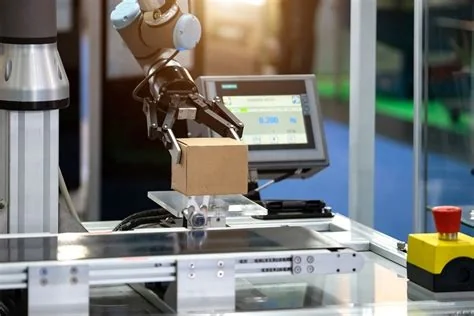
Augment aims to embed intelligent tools across agriculture, healthcare, and manufacturing, lifting efficiency and creating new growth avenues. By automating routine tasks, businesses can free up human talent for higher‑value work.
Align – Uphold Ethics and Data Privacy
Align ensures AI systems respect democratic values, protect personal data, and follow transparent decision‑making. The pillar calls for clear ethical guidelines that keep AI trustworthy.
Assure – Build Trustworthy Governance
Assure calls for robust regulatory frameworks that monitor AI deployment, manage risks, and keep innovation safe. Strong governance will give investors confidence while safeguarding citizens.
Amplify – Scale Solutions Globally
Amplify pushes Indian AI breakthroughs onto the world stage, turning home‑grown innovations into exportable services. It envisions India as a partner in global AI ecosystems rather than a follower.
Global Reaction and Cautious Optimism
World leaders applauded India’s ambitious roadmap, noting the country’s massive youth demographic as a unique advantage. Yet many cautioned that rapid AI expansion must be balanced with safeguards to avoid widening inequality. The sentiment underscores both excitement and the need for careful policy design.
Why the Childhood Robot Story Matters
The robot anecdote humanises a complex policy agenda, reminding policymakers that AI ultimately serves people. It also signals that India’s digitally‑savvy youth are already experimenting with code and robotics, forming a grassroots pipeline that can feed the Make pillar. If you think a personal story can’t shape national strategy, this example proves otherwise.
Practitioner Perspective
Dr. Ananya Rao, a senior researcher at IIT‑Delhi, says Modi’s tale captures the spirit of Indian tech culture. She notes that many students cite a similar “play‑with‑electronics” moment as the spark for their AI pursuits. Rao believes that linking policy to personal experience validates the emerging innovation ecosystem, while also warning that talent retention and infrastructure gaps remain critical challenges.
Implications for the Global AI Landscape
India’s push for a sovereign yet interoperable AI framework could inspire other emerging economies to adopt similar models. By championing standards‑setting participation, the country aims to influence global AI governance bodies, potentially reshaping the balance between open collaboration and protective tech policies.
Looking Ahead
Modi closed with a call to let youthful curiosity drive national progress. The next steps will involve concrete funding, regulatory roll‑outs, and—most importantly—nurturing the same tinkering spirit that sparked his own robot. If you’re invested in the future of AI, watching how India translates school‑yard experiments into world‑class solutions will be essential.