
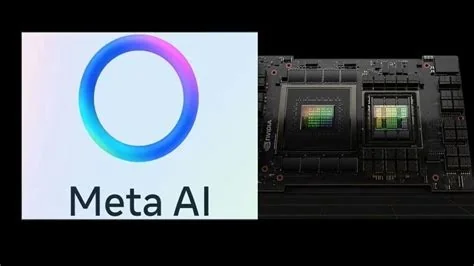
Meta is locking in a multi‑year supply of Nvidia’s latest AI chips to supercharge its WhatsApp platform. The agreement covers millions of GPUs and new AI‑focused CPUs, giving the company the compute power to roll out faster image filters, smarter chat‑bot suggestions, and on‑device generative features. You’ll see these upgrades roll out over the next months.
Scale of the Nvidia Partnership
The contract spans several generations of Nvidia hardware, from current GPUs to upcoming AI‑optimized CPUs. By ordering millions of units, Meta ensures a steady flow of silicon that can handle both inference at the edge and massive model training in its data centers.
How the Chips Power New Features
With the new chips in place, WhatsApp can run AI models closer to users, cutting latency dramatically. Expect real‑time language translation, more accurate spam detection, and personalized sticker suggestions that feel almost magical. You’ll notice smoother experiences as the heavy lifting moves from remote clouds to Meta’s own servers.
Inference at the Edge
Edge inference lets the app process images and text locally, reducing the round‑trip time to the cloud. This translates to instant filters and rapid response to user inputs.
Training at Scale
Meta’s data farms will use the high‑throughput GPUs to train larger models faster, shrinking weeks‑long experiments into days.
Benefits for Meta and Users
Running AI in‑house slashes reliance on third‑party hyperscalers, lowering costs and giving Meta tighter control over data privacy. For you, that means fewer ads based on mis‑interpreted content and a more secure messaging environment.
Implications for the AI Hardware Market
The deal signals that large‑scale AI deployments require dedicated silicon pipelines. As Nvidia fulfills such massive orders, it can accelerate the rollout of more power‑efficient chips, eventually making advanced hardware accessible to smaller developers.
What Engineers Need to Know
Deploying millions of GPUs isn’t just about buying hardware. Engineers must build robust software stacks, orchestration tools, and cooling solutions to manage heat density. A heterogeneous architecture—mixing GPUs for parallel workloads and CPUs for traditional tasks—optimizes utilization but demands sophisticated scheduling.
- Power efficiency: Newer Nvidia CPUs promise higher TFLOPs per watt, reducing operational costs.
- Scalability: Heterogeneous designs allow seamless scaling across global data‑center fleets.
- Future‑proofing: The partnership includes next‑gen chip families, ensuring Meta stays ahead of the AI curve.
Looking Ahead
As the chips roll out, Meta will likely experiment with real‑time video editing AI on WhatsApp and on‑device translation that feels native. The industry will watch closely to see if Nvidia can maintain its lead as the go‑to provider for massive AI workloads.


