The AI‑generated portrait of Jeffrey Epstein that flooded X and TikTok last week was quickly labeled as real evidence, but Lead Stories confirmed it’s a synthetic creation from a parody account. Within hours the image sparked thousands of shares and heated debate, prompting a rapid fact‑check that exposed the visual as a deepfake.
Why the Image Spread So Fast
People love sensational visuals, especially when they involve well‑known figures. The photo showed Epstein sitting beside Mark Zuckerberg and Reid Hoffman at a sushi bar, a scene that feels plausible enough to bypass a quick glance. Social platforms amplify such content with algorithms that prioritize engagement, so the image reached millions before anyone questioned its authenticity.
Lead Stories’ Verification Process
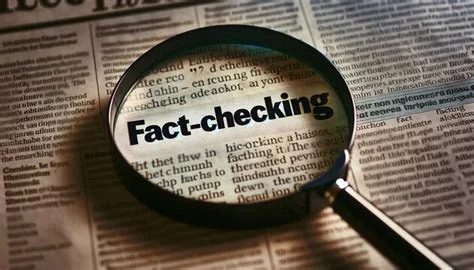
Lead Stories relies on a mix of automated tools and human expertise. Their team first ran a reverse‑image search, which traced the picture back to a parody account that never claimed it was real. Next, they examined technical clues—odd lighting, mismatched pixel patterns, and artifacts typical of generative adversarial networks (GANs). The combination of these steps let them publish a detailed debunk within 48 hours.
Detection Techniques Used
Pixel anomaly analysis: AI‑generated images often contain subtle inconsistencies in texture and shading.
Metadata inspection: The file lacked credible source data, a red flag for synthetic media.
Contextual cross‑check: No reputable news outlet reported the meeting, and the supposed venue had no record of such an event.
What You Can Do to Spot Fake Images
- Run a reverse‑image search on any visual that seems too dramatic.
- Check the posting account’s history—parody or satire pages usually disclose their nature.
- Look for visual glitches: uneven lighting, distorted backgrounds, or blurry edges.
- Verify the story with multiple reputable fact‑checking sites before sharing.
- Ask yourself if the image aligns with known facts; if it feels off, it probably is.
Legal and Platform Responses
While the Epstein photo doesn’t currently breach copyright, regulators are drafting rules that would require clear labeling of synthetic media. Platforms like Meta and ByteDance are already partnering with fact‑checking organizations to flag AI‑generated content, but the technology race is far from settled. You’ll likely see more warnings appear before you can hit “share.”
Key Takeaway
As AI tools become more sophisticated, the responsibility to verify falls on a network of fact‑checkers, platforms, and informed users. The Epstein deepfake may have been a fleeting meme, but it reminds you that not everything that looks real, is real. Stay skeptical, double‑check sources, and you’ll help keep misinformation at bay.