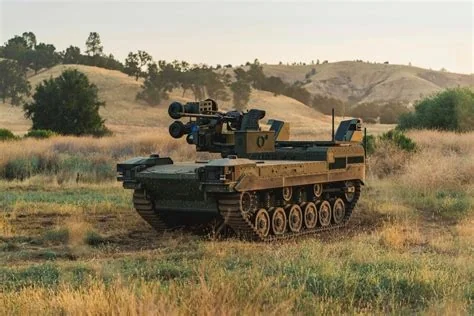
The Marine Corps has awarded Kodiak AI a contract to embed its Kodiak Driver autonomous‑driving software into the ROGUE‑Fires platform, turning JLTVs into self‑navigating fire‑support vehicles. This deal lets you see how physical AI can operate in unstructured, contested terrain, promising faster resupply, reduced risk for Marines, and a new level of expeditionary mobility.
Scope of the Agreement
The contract calls for Kodiak Driver to be integrated on Joint Light Tactical Vehicles supplied by Oshkosh Defense. Once installed, the system will handle steering, braking, and speed control without human input, while the crew retains authority over mission planning and weapons employment.
Autonomous Driving System Integration
Kodiak’s software has already proven itself in Army robotic‑combat‑vehicle trials, so the Marine Corps is leveraging that dual‑use capability for ground‑based fire missions. The integration process focuses on ruggedizing sensors, ensuring fail‑safe braking, and linking the AI to existing JLTV command‑and‑control buses.
Timeline and Delivery Goals
The award was received early this year, and Kodiak aims to have the driverless capability fielded on JLTVs by early summer. Although the contract’s monetary value isn’t public, the tight schedule underscores the urgency of delivering a reliable solution.
Why Autonomy Matters to the Marine Corps
Marine leaders are betting on driverless ground mobility to extend operational reach and keep troops out of harm’s way during high‑end missions. A fleet of autonomous JLTVs could convoy ammunition, sensors, and power generators across rugged islands, letting you focus on targeting and communications instead of tedious convoy duties.
Technical Challenges and Solutions
- Unstructured Terrain: The AI must navigate unmapped, off‑road environments without GPS reliance.
- Cybersecurity: Continuous learning on the move demands robust encryption and real‑time threat monitoring.
- Human‑Machine Interface: Designers are building intuitive override controls so Marines can intervene instantly if needed.
Implications for the Defense Industry
If Kodiak delivers on schedule, the contract could open doors for similar autonomous‑resupply projects across other services. The Marine Corps’ willingness to adopt commercial‑grade autonomy may push the Department of Defense toward new standards, forcing competitors to accelerate their own driverless initiatives.