
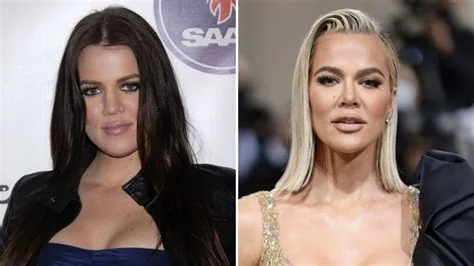
Khloé Kardashian recently opened up on her “Khloé in Wonder Land” podcast, saying the AI‑generated videos that make her late dad appear to kiss her forehead feel unsettling and “weird.” She warns that synthetic recreations of deceased loved ones can blur the line between tribute and intrusion, a concern that resonates with anyone who’s seen a deepfake.
Why Khloé Is Alarmed by AI‑Generated Kisses
On the latest episode, Khloé explained that fans are using generative‑AI tools to create short clips where her father, Robert Kardashian, kisses her forehead and delivers affectionate lines. “I’m sure people think it’s sweet, but even the AI videos of my dad kissing me… freaks me out a little bit,” she said. The unsettling intimacy comes from AI’s ability to mimic facial expressions, voice tones, and gestures with just a handful of reference images.
Personal Impact
For Khloé, the videos feel invasive because they turn a private memory into a public spectacle. She worries that younger viewers might accept fabricated moments as genuine, and she wants you to remember that consent can’t be retroactively applied to a person who’s no longer alive.
Privacy, Consent, and the Deepfake Dilemma
Deepfakes raise a broader privacy question: when does an homage become exploitation? Without clear provenance, AI‑generated media can slip past traditional defamation and right‑of‑publicity safeguards. Experts argue that platforms need stronger verification tools and that creators should embed consent‑by‑design features into generative models.
Key Concerns
- Non‑consensual use: Recreating a deceased person without permission can feel like a violation of their legacy.
- Misleading audiences: Viewers may struggle to tell a synthetic clip from authentic footage.
- Emotional toll: Families can experience distress when digital recreations surface without warning.
What This Means for Tech Platforms and Creators
Platforms that host user‑generated content—like TikTok, Instagram, and YouTube—will likely feel pressure to upgrade detection algorithms or add “deepfake alerts.” Meanwhile, AI developers may need to incorporate safeguards that prevent training on images of deceased individuals without explicit clearance.
Future Steps
- Enhanced detection: Algorithms that flag synthetic media before it spreads.
- Transparency tools: Watermarks that identify AI‑generated clips.
- User education: Campaigns that teach you how to spot deepfakes and verify sources.
Khloé’s candid reaction serves as a reminder that technology’s rapid advance isn’t always met with open arms. Her description of AI videos as “weird” and “scary” captures a sentiment that many people share. As AI gets better at mimicking reality, the line between tribute and intrusion will need careful drawing—otherwise we risk normalizing a world where anyone can digitally resurrect a loved one without consent.


