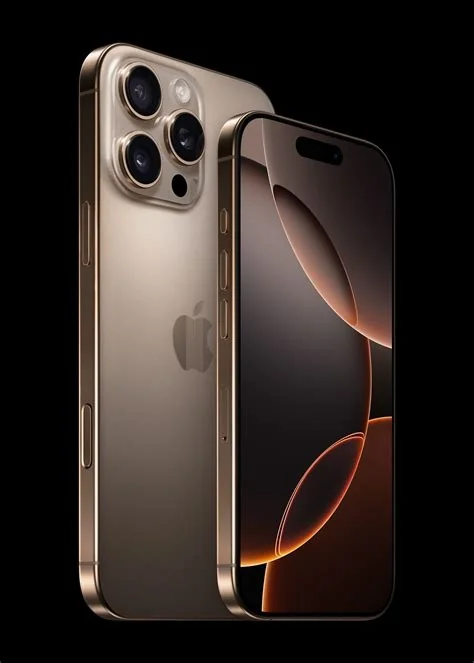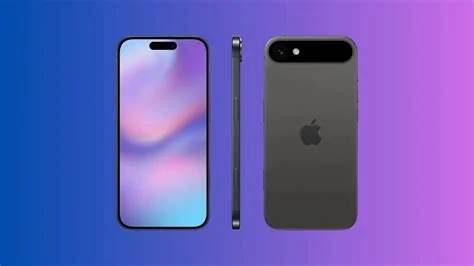
The iPhone 18 is rumored to feature Apple’s first 2 nm A20 Pro processor, delivering higher performance while improving power efficiency. A slimmer Dynamic Island promises more usable screen space, and the Pro Max model may receive a 48‑MP sensor with a periscope telephoto lens and a 15 % larger battery for extended usage.
Rumored Core Specifications
The A20 Pro chip is expected to be built on a 2 nm process node, a step up from the current 3 nm A17. This advancement could push single‑core clock speeds beyond 3 GHz and enhance performance‑per‑watt, allowing faster processing without a proportional increase in heat.
Display and Design Changes
A redesigned Dynamic Island is said to shrink to roughly 10 mm in height, reclaiming valuable screen real‑estate. The change aims to address user criticism of the current cutout while maintaining the interactive functionality that the feature provides.
ProMotion Enhancements
- Adaptive refresh rates up to 120 Hz
- Under‑display Touch ID sensor integration
Camera and Battery Improvements
The iPhone 18 Pro Max may sport a 48‑megapixel primary sensor paired with a periscope‑style telephoto lens offering up to 10× optical zoom, doubling the zoom capability of previous models. Battery capacity is rumored to increase by about 15 %, supported by the efficiency gains of the 2 nm silicon.
Market Impact
Introducing a 2 nm chip would reinforce Apple’s leadership in advanced semiconductor technology, narrowing the performance gap with competing Android flagships that use 4 nm or 5 nm processes. A smaller Dynamic Island and upgraded camera system could strengthen Apple’s premium positioning against rivals such as Samsung’s Galaxy series.
Engineering and Supply‑Chain Considerations
Transitioning to a 2 nm process brings higher transistor density, enabling faster cores and more powerful neural‑engine architectures. However, it also requires tighter design tolerances, advanced packaging, and careful yield management. Limited fab capacity for 2 nm production adds logistical challenges for securing wafer allocations while balancing other Apple silicon demands.
Future Outlook
While Apple has not confirmed any details, the convergence of multiple credible rumors suggests the iPhone 18 could represent a substantial leap in performance, design, and user experience. Whether the device launches on schedule or experiences a delay, its anticipated specifications are set to influence the broader smartphone ecosystem.