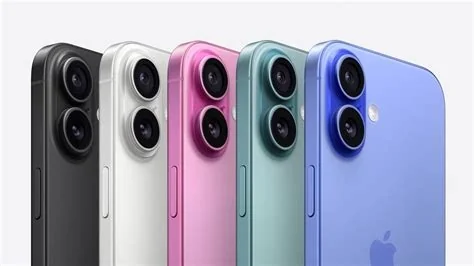
The iPhone 16 delivers a 6.1‑inch Super Retina display, the new A18 Bionic chip, 8 GB RAM, and a dual‑camera system with a 48‑MP main sensor, all priced at $799. It offers modest performance and camera improvements over the iPhone 15 while keeping a lower price than the Pro models, making it a solid choice for everyday users, but its incremental upgrades raise questions about timing for buyers.
What the iPhone 16 Offers
The device features a 6.1‑inch OLED panel that maintains Apple’s renowned color accuracy and peak brightness, though it does not include the 120 Hz ProMotion refresh rate found on higher‑end models. The A18 Bionic processor, built on a 3‑nanometer process, provides a modest speed boost over its predecessor while preserving the same thermal envelope. Storage options start at 128 GB, paired with 8 GB of RAM.
The dual‑lens camera setup combines a 48‑megapixel primary sensor with a 12‑megapixel ultra‑wide lens. Enhanced computational photography, powered by the A18’s Neural Engine and iOS 18’s “Apple Intelligence” features, improves low‑light performance. Battery capacity is 3,561 mAh, offering up to 22 hours of video playback.
Should You Wait for the Next Generation?
While the iPhone 16 presents a compelling price‑performance balance, its upgrades over the previous generation are incremental. The core design, display refresh rate, and overall feature set remain largely unchanged. Anticipated future releases are expected to bring subtle yet meaningful refinements—such as a larger battery, upgraded camera sensor with better optical image stabilization, and a more efficient A19 chip—without a price increase. Buyers who can postpone their purchase may benefit from either a price drop on the current model or the added value of the next iteration.
Future Roadmap Overview
Apple’s upcoming roadmap suggests that the next model will retain the same price tier while delivering hardware enhancements that improve day‑to‑day usability. Longer software support—typically five years—means that early adopters of the iPhone 16 will still receive iOS updates that leverage these hardware improvements, ensuring a viable long‑term investment for users comfortable with the current feature set.
Market Impact
The iPhone 16 reinforces Apple’s dual‑track strategy: offering a cost‑effective option for mainstream consumers while reserving cutting‑edge innovations for the Pro line and future generations. By stabilizing the price and providing modest upgrades, Apple sustains a steady revenue stream from annual upgrade cycles and creates a “wait‑and‑see” dynamic that can boost demand for subsequent releases. Competing manufacturers must match or exceed these specifications to stay competitive in the premium‑mid tier.
Developer Perspective
Mobile developers report that the A18’s eight‑core architecture delivers a noticeable lift in compile‑time for Swift projects, especially when leveraging the new Neural Engine for on‑device machine learning. The 8 GB of RAM provides sufficient headroom for multitasking with demanding apps, though power users may still prefer the Pro models’ 12 GB of memory. Photographers note that while daylight performance is strong, the absence of a dedicated telephoto lens limits optical zoom capabilities.
Final Verdict
The iPhone 16 arrives as a solid, if unspectacular, addition to Apple’s lineup. Its 6.1‑inch display, A18 processor, and refined camera system deliver a dependable user experience at a price that undercuts the Pro models. However, the device’s incremental nature, combined with the imminent arrival of the next generation, gives consumers a strategic decision: purchase now for immediate use and potential short‑term discounts, or wait for future refinements that may offer better value. For everyday users and developers, the iPhone 16 remains a compelling choice; for power users and early adopters, patience may yield a superior proposition.