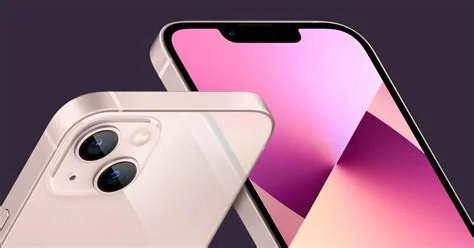
Answer: The iPhone 13 remains a solid choice in 2026 thanks to its A15 Bionic chip, 6.1‑inch Super Retina XDR display, and capable dual‑camera system, while secondary‑market prices stay attractive. However, the recent iOS 26.2.1 update has triggered a battery‑drain and reboot issue that could affect resale value and user confidence. Buyers should weigh current deals against the potential need for a battery service or OS rollback.
Key Features That Keep iPhone 13 Relevant
The iPhone 13 delivers a blend of performance and efficiency that still satisfies everyday tasks and media consumption. Its A15 Bionic processor provides smooth multitasking, while the 6.1‑inch Super Retina XDR display offers vibrant colors and high brightness. The dual‑camera system, equipped with sensor‑shift optical image stabilization, continues to produce sharp photos and steady video, making the device appealing for both casual shooters and content creators.
Current Pricing and Best Deals
Although Apple no longer sells the iPhone 13 directly, the secondary market keeps the model affordable. Typical listings show the iPhone 13 Mini starting around $180 and the iPhone 13 Pro model near $255. Retailers often bundle the phone with discounted data plans, trade‑in incentives, or “buy‑one‑get‑one” offers, creating compelling entry points for new users who want Apple’s ecosystem without paying premium prices for the latest generation.
iOS 26.2.1 Battery Drain and Reboot Issue
After updating to iOS 26.2.1, a growing number of iPhone 13 owners report rapid battery loss—sometimes dropping to 30 minutes of use on a full charge—and frequent unexpected reboots. The problem appears linked to a power‑management regression introduced in the update, rather than hardware wear. While Apple has not issued an official statement, the consistency of user reports suggests a software‑level bug that may affect device stability and resale desirability.
Impact on Resale Value and Consumer Decisions
The iPhone 13’s resale market remains strong, especially for the Mini variant, which retains value due to its lower entry price. However, the emerging battery‑drain reports could depress demand if the issue proves widespread. Prospective buyers should consider the total cost of ownership, including the possibility of a battery replacement or a clean OS reinstall, when evaluating deals.
Technician Insight on the Battery Glitch
“The symptoms—continuous reboots and a rapid battery drop—match a software‑level power‑management bug. In most cases we resolve it by reinstalling the firmware or, if the device is still under warranty, by offering a battery replacement. The key is to confirm whether the issue persists after a clean install, which helps isolate the problem from hardware wear,” explains a senior technician at a certified Apple repair centre. He notes a recent 15 % increase in service requests for iPhone 13 units running iOS 26.2.1.
What Buyers Should Consider
- Check for the latest iOS version: Verify whether Apple has released a follow‑up update that addresses the battery issue before purchasing.
- Assess warranty options: Devices covered by AppleCare or still under the original warranty can receive free battery service if needed.
- Evaluate deal timing: Take advantage of bundled offers, but factor in potential additional costs for battery service or OS rollback.
- Backup data: Always back up the iPhone before attempting major OS changes or repairs.
By weighing the iPhone 13’s enduring hardware strengths against the current software glitch, shoppers can make an informed decision that balances cost savings with long‑term reliability.