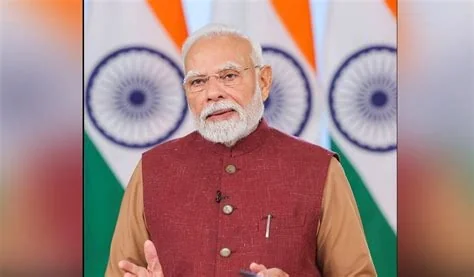
India unveiled the MANAV Vision at the AI Impact Summit, presenting a human‑first framework that binds artificial intelligence to moral, accountable, national, accessible, and valid standards. The initiative promises to reshape data sovereignty, boost inclusive tech growth, and steer global AI governance toward transparency. If you’re watching the AI race, this blueprint could redefine how machines serve societies worldwide.
What Is the MANAV Vision?
The MANAV Vision is a policy blueprint introduced by Prime Minister Narendra Modi that positions AI as a tool for inclusion, accountability, and national sovereignty. It bundles five core tenets—Moral, Accountable, National, Accessible, and Valid—into a single guiding framework for every AI system that touches Indian citizens.
Core Principles
- M – Moral: AI must respect human dignity and ethical norms.
- A – Accountable: Developers and operators are answerable for outcomes.
- N – National: Data and AI infrastructure stay under Indian control.
- A – Accessible: Technologies should reach all layers of society.
- V – Valid: Systems need transparent verification and legal compliance.
Why the Vision Matters Now
The global AI race is increasingly framed as a strategic asset, and many nations treat AI as a secret weapon. India’s open, human‑centric stance offers a stark alternative, emphasizing shared benefits over closed competition. This shift could pressure other economies to adopt similar ethical guardrails.
Impact on Global AI Governance
By championing the MANAV framework, India aims to influence upcoming international AI governance talks. The vision could shape standards around data‑localisation, algorithmic transparency, and AI‑ethics audits, nudging the world toward a more collaborative regulatory environment.
Implications for India’s Tech Ecosystem
Data sovereignty is a central pillar, urging the growth of domestic data centres and home‑grown AI platforms. This push aligns with massive private investments in AI infrastructure, promising a robust, locally controlled tech landscape that reduces reliance on foreign providers.
Opportunities for Startups and Innovators
Modi highlighted AI as a multiplier for inclusion, especially in underserved regions. If the MANAV principles become part of procurement policies, you’ll see smaller firms competing for government contracts that previously favored multinational giants. The playing field could become far more level for emerging innovators.
Challenges Ahead
Translating lofty principles into enforceable regulations will be a steep climb. Clear compliance guidelines are needed, and the judiciary must grapple with new definitions of “validity” and “legitimacy.” Without concrete rules, the vision risks remaining a declaration rather than a functional regime.
Looking Forward
The real test will be whether India can turn the MANAV Vision into a working regulatory model that other nations adopt. Success could shift the global AI landscape from a battlefield of competing superpowers to a collaborative arena where ethical standards become the common currency. Only time will reveal if this human‑first approach reshapes the future of artificial intelligence.