
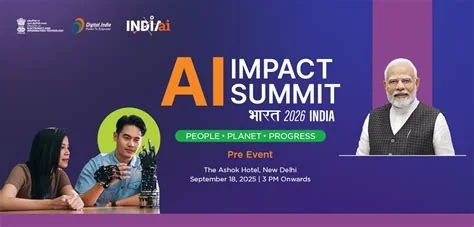
The India AI Impact Summit is kicking off a five‑day showcase in New Delhi that puts a humane stray‑animal removal pilot at the forefront of AI policy. Organizers promise real‑world tests of computer‑vision models, edge‑device analytics, and privacy safeguards, and you’ll see how the initiative could reshape municipal services across the country.
Why the Stray‑Animal Pilot Matters
India’s streets host an estimated 30 million stray dogs and cats, many of which face disease, malnutrition, and conflict with humans. Traditional culling methods have sparked criticism, so the summit’s pilot uses AI to identify, track, and safely relocate animals, offering a compassionate alternative that aligns with the “people, planet, progress” framework.
Technology Behind the Initiative
- Computer‑vision models that detect stray animals in real time
- Low‑power edge devices that process data locally, reducing latency
- Robust data‑privacy safeguards to protect citizen information
- Real‑time analytics dashboards for municipal officials
Broader Agenda: Balancing Ambition and Caution
The summit’s program spans seven focus areas, from AI safety and inclusive growth to sovereign AI and climate‑friendly compute. Each pillar is backed by a dedicated working group that blends government, industry, and academic expertise, ensuring that high‑impact projects remain ethically grounded.
Key Working Groups
- AI Commons – building an open‑access repository of vetted models
- Shared Compute – exploring cross‑border cloud collaborations to cut carbon emissions
- AI for Public Good – piloting solutions like the stray‑animal program in real‑world settings
Implications for India’s AI Roadmap
Positioned as a global AI hub, India can turn pilot results into scalable market opportunities. A 20 % drop in stray‑animal incidents could inspire city administrations to adopt similar AI‑enabled animal‑welfare solutions, while the data‑governance protocols tested here may shape future regulations on facial‑recognition and surveillance.
Practitioner Insight
“The stray‑animal pilot is a litmus test for how quickly we can move from research to deployment while respecting ethical boundaries,” says Dr. Rohan Mehta, senior scientist at IIT Delhi. He emphasizes that success hinges on coordination between municipal animal‑welfare boards, AI engineers, and community volunteers – a formula you can replicate for other civic challenges.
What to Watch Next
As the summit wraps up, each working group will present concrete policy recommendations and technology roadmaps. Keep an eye on the upcoming “Future‑Forward” session, where attendees will vote on AI Impact Charters that could steer legislation on AI ethics and public‑sector procurement. The outcomes will tell you whether algorithmic tools can deliver humane relief at scale.


