
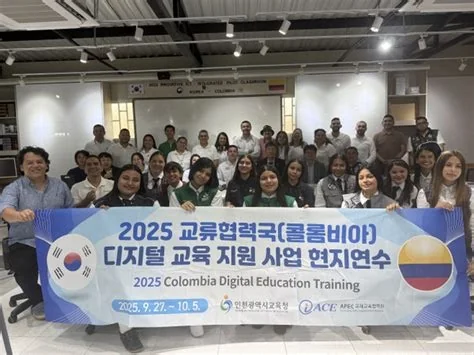
The Incheon Metropolitan Office of Education has rolled out an AI‑driven teacher training program that delivers real‑time, data‑backed coaching to pre‑service teachers. By analyzing classroom footage, student performance and reflective journals, the system generates personalized feedback that helps you sharpen instructional skills faster than traditional mentorship alone, and ensures continuous improvement throughout the certification journey.
Why AI Training Matters for Korean Educators
South Korea’s rigorous teacher certification has long set high standards, yet rapid digital adoption in classrooms left many trainees scrambling to integrate technology effectively. The new AI platform bridges that gap, offering scalable, evidence‑based coaching that traditional mentorship struggles to match. If you’re looking for a way to keep pace with tech‑driven classrooms, this program promises a systematic, data‑rich solution.
Key Benefits of the AI Platform
Granular, Data‑Driven Insights
AI algorithms dissect observation videos, test results and self‑reflection notes to pinpoint both strengths and blind spots. This precision outperforms human mentors who might miss subtle patterns.
Equal Access to High‑Quality Feedback
Regardless of a school’s budget, every pre‑service teacher receives the same level of analytical support, democratizing professional growth across the region.
- Personalized coaching: Real‑time suggestions adapt to each trainee’s needs.
- Continuous improvement loops: Quarterly reviews feed back into both the AI model and the broader curriculum.
- Scalable mentorship: One system can serve dozens of teachers without sacrificing depth.
Addressing Bias and Ensuring Transparency
Critics warn that AI can inherit data biases, potentially skewing recommendations. To counter this, the Incheon Office has pledged transparent algorithmic auditing and has enlisted veteran educators to co‑design the feedback rules. This collaborative approach aims to keep the AI’s advice pedagogically sound and free from systemic prejudice.
Potential Ripple Effects Across Education
If the AI‑enhanced training proves effective, it could become a template for other metropolitan education offices and even inspire international adoption. The Ministry of Education’s involvement signals a top‑down interest in replicable, technology‑infused professional development, meaning you might soon see similar systems in classrooms beyond Incheon.
Implementation Timeline and Next Steps
The rollout will begin with pilot cohorts this spring, focusing on urban middle schools that already have robust digital infrastructure. Each cohort will participate in quarterly feedback cycles, allowing both teachers and the AI model to refine strategies continuously. You’ll have the opportunity to join early‑stage trials and shape the future of teacher preparation.
Looking Ahead
Better‑trained teachers translate into more responsive instruction, boosting student engagement and outcomes. By surfacing classroom dynamics in real time, the AI system enables teachers to adjust tactics before minor issues become major learning gaps. As the program scales, it could redefine how pre‑service educators acquire the tech‑savvy skills needed for tomorrow’s classrooms.


