
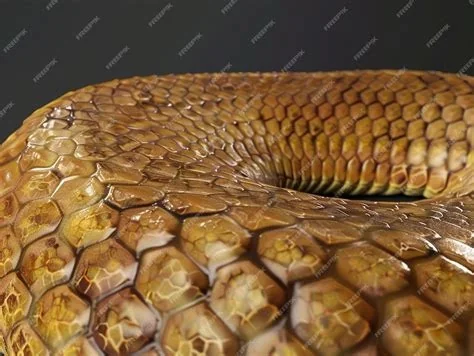
A short video created with Hailuo AI shows a sleek, cobra‑like snake gliding across a polished floor, yet the clip is entirely computer‑generated. The misleading title and thumbnail make it look like real wildlife footage, prompting thousands of shares before viewers notice the AI label. This incident highlights how easy‑to‑use tools can spread visual misinformation in seconds.
Why the Cobra Clip Raises Red Flags
The visual looks convincing, but the description clearly tags it as AI‑generated. That mismatch creates cognitive dissonance, letting casual scrollers assume authenticity. When a striking thumbnail promises a real animal encounter, users are more likely to click, share, and amplify the content before any fact‑checking catches up.
Ease of Creating Photorealistic Video
Modern generative models let anyone turn a text prompt into a high‑quality video in minutes. No watermarks, no complex software—just a few clicks. This democratization means that even hobbyists can produce footage that rivals professional productions, blurring the line between genuine and fabricated media.
Mislabeling Fuels Confusion
Although the video’s caption mentions AI creation, the headline and thumbnail suggest a genuine wildlife sighting. That dual messaging slips past many viewers, especially on fast‑scroll feeds where people rarely read the fine print. The result is rapid, unchecked spread of false impressions.
What Platforms and Users Can Do
Platforms need stronger provenance tagging that surfaces the generative tool used, not just a vague “AI‑generated” note. Consistent enforcement of clear labels can help algorithms distinguish synthetic content and reduce accidental amplification.
Transparent Tagging and Detection
Embedding metadata that identifies the creation model—such as Hailuo AI—directly into the video file gives platforms a reliable signal. Coupled with automated detection tools, this approach can flag potentially misleading clips before they go viral.
Practical Tips for You
- Hover over the video description and look for explicit AI disclosures.
- Run a quick reverse‑image or reverse‑video search if something feels off.
- Check for inconsistencies between the thumbnail and the caption.
- When in doubt, treat sensational wildlife footage with a healthy dose of skepticism.
Future Implications of AI‑Generated Visuals
If a simple text prompt can produce a convincing cobra video, the same technology can fabricate political rallies, disaster scenes, or deep‑fake testimonies. The tools that empower creators also equip malicious actors with a powerful propaganda weapon. As AI models become more sophisticated, the responsibility shifts toward robust labeling standards, advanced detection systems, and an informed audience that questions what it sees.
In short, the Hailuo AI cobra clip is a microcosm of a larger dilemma: the same algorithms that boost engagement now enable believable misinformation at scale. By demanding transparent labeling, supporting detection tech, and staying vigilant, you can help keep the digital ecosystem free from synthetic serpents.


