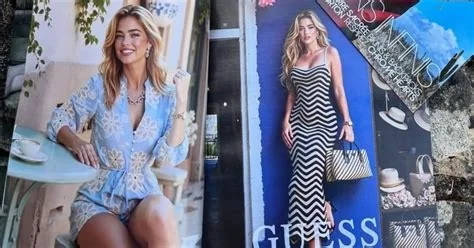
Guess just placed an AI‑generated model on a full‑page Vogue spread, sparking a firestorm across social media and the fashion community. The synthetic face, billed as “does not exist,” challenges traditional beauty standards and forces brands, editors, and you as a consumer to ask whether digital avatars belong in high‑fashion advertising.
Why Guess Turned to an AI Model
Facing pressure to cut production costs and to experiment with cutting‑edge tech, Guess decided to replace a traditional photo shoot with a computer‑created figure. The move follows a broader industry shift where brands test virtual try‑ons, digital twins, and AI‑driven design tools. By using an algorithmic model, Guess can tweak facial features instantly to match any target market.
The Vogue Spread and Its Details
The ad occupies an entire page, showcasing a flawless complexion, exaggerated cheekbones, and an ambiguous ethnicity that could be adjusted for any demographic. A tiny disclaimer at the bottom reads that the image was generated by AI. The surrounding copy mirrors typical Guess promotions, but the hidden note has become the story’s focal point.
Public Backlash
Readers flooded Vogue’s comment sections with criticism, accusing the brand of promoting unrealistic beauty standards. Some users even called for a boycott, arguing that a synthetic face erodes the authenticity that fashion lovers crave. You’ll notice the tone shifts from curiosity to outright anger within minutes of the spread’s release.
Ethical Concerns
Beyond the immediate outrage, the controversy raises deeper questions. Will AI‑generated models shrink opportunities for emerging talent, especially those from under‑represented backgrounds? Can digital faces be programmed to celebrate true diversity, or will they simply reinforce a homogenized ideal? Transparency is also key—brands must disclose when an image is not of a real person.
Industry Insight on AI Fashion
Key takeaway from an AI strategist: “Generating photorealistic models is no longer a novelty; the real challenge lies in governance. Brands need clear policies on disclosure, bias mitigation, and consent, especially when the output looks indistinguishable from a real person.” This perspective underscores the urgent need for industry‑wide guidelines.
- Establish mandatory disclosure labels for AI‑created imagery.
- Implement bias‑testing protocols before campaign launch.
- Develop consent frameworks for using synthetic likenesses.
What’s Next for Brands and Magazines
Guess has not issued a formal response beyond the original disclaimer, and Vogue’s editorial team is reportedly reviewing its ad‑vetting process. The next wave of campaigns will likely test the balance between innovation and accountability. As you scroll through future fashion spreads, ask yourself whether the allure of a perfect digital model outweighs the value of genuine human expression.