
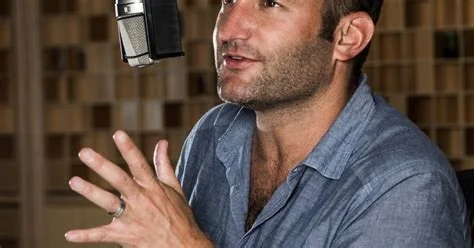
Longtime NPR “Morning Edition” anchor David Greene has sued Google, claiming the company’s AI‑generated voice in its Notebook LM “Audio Overviews” feature sounds like his own distinct cadence and filler words. He says the voice infringes on his personal brand, and the lawsuit could reshape how AI developers handle voice data.
Background of the Lawsuit
Greene, now hosting KCRW’s “Left, Right & Center,” first noticed the similarity after friends and coworkers pointed out the uncanny resemblance. “I was completely freaked out,” he recalled, describing the moment the AI narration sounded like his own voice. He argues that his voice is a core part of his identity and should be protected.
Key Allegations
The complaint alleges that Google’s male podcast voice is “based on Greene,” reproducing his unique speaking style, cadence, and even characteristic filler words. Greene asserts that the voice model was trained on recordings of his broadcasts without permission, violating his right of publicity.
Legal Implications
If the court finds Google liable, the decision could set a precedent for how AI companies source and use voice data. The ruling may force developers to obtain explicit consent before incorporating public figures’ speech into training datasets, potentially increasing compliance costs.
Impact on the Voice‑AI Industry
Companies that scrape publicly available audio might need to adopt “voice provenance” tools that track the origins of synthetic voices. Engineers are already exploring fingerprinting mechanisms to flag generated voices that too closely match a specific individual, ensuring that a voice remains personal property rather than just data.
What This Means for Everyday Users
When you use a text‑to‑speech app, you may soon see clearer disclosures about where the voice comes from. If a voice sounds oddly familiar, it could be a sign that the AI model used your recordings without permission. This case highlights that your voice, like your likeness, can be defended in court.
Practical Steps for Creators and Developers
- Implement consent frameworks that ask content creators before using their speech in training sets.
- Adopt fingerprinting or watermarking techniques to detect voice duplication.
- Consider licensing agreements for any public figure’s recordings you plan to use.
While the lawsuit is still pending, it sends a clear message: AI developers must respect individuality while advancing technology, and you have a right to protect the sound of your own voice.


