Google’s Pixel 10a is the latest mid‑range phone in the Pixel “A” series, featuring a flat dual‑camera module, a 6.3‑inch 120 Hz AMOLED display, Tensor G4 processor with 8 GB RAM, 256 GB storage, and a 5,100 mAh battery. Pre‑orders start soon, with pricing expected around $499. It promises smooth scrolling, strong low‑light photography, and on‑device AI capabilities for developers.
Design and Display
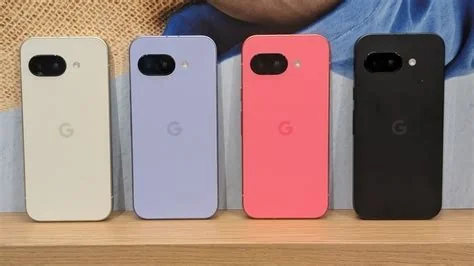
The Pixel 10a keeps the familiar silhouette of its predecessor while introducing a completely flat dual‑camera array. It will be available in four colour options: muted “Iris,” pastel “Berry,” classic black, and white. The front panel is a 6.3‑inch AMOLED screen with a 120 Hz refresh rate, delivering deep blacks, accurate colours, and fluid scrolling for gaming and everyday use.
Performance and Battery
Powered by Google’s Tensor G4 chipset, the device balances efficiency with capable AI processing. Coupled with 8 GB of RAM and 256 GB of internal storage, the Pixel 10a handles multitasking, photography, and on‑device machine‑learning tasks smoothly. A 5,100 mAh battery—larger than the previous model—offers full‑day endurance even with the high‑refresh display.
Camera System
The revamped camera module includes a 48 MP primary sensor and a 13 MP ultra‑wide lens. Google’s computational photography software provides strong low‑light performance, Night Sight, and Super Res Zoom. The flat design improves durability and simplifies manufacturing while maintaining the Pixel brand’s reputation for excellent photo quality.
Pricing and Market Position
Expected to launch around $499, the Pixel 10a targets the competitive mid‑range segment, directly challenging devices such as Samsung’s Galaxy S26 A‑series and other Android budget offerings. Its combination of premium features and an affordable price aims to attract cost‑conscious consumers seeking a high‑quality Android experience.
Regional Rollout
Global pre‑orders will open shortly, followed by staggered releases in key markets. The Indian market is anticipated to receive the device a few weeks after the global launch, with pricing adjusted to remain competitive in one of the world’s largest smartphone markets.
Strategic Context
By equipping a mid‑range handset with the Tensor G4, Google demonstrates confidence in its in‑house silicon across price tiers. This strategy broadens Google’s hardware portfolio, aiming to increase market share in the highly contested mid‑range arena while using the “A” series as a testing ground for features that may later appear in flagship Pixel devices.
Developer Perspective
The Tensor G4’s dedicated ML accelerator enables on‑device inference for real‑time translation, image enhancement, and personalized recommendations. Developers can leverage these capabilities to build AI‑driven apps that run locally, reducing latency and preserving user privacy while reaching a broader audience through an affordable device.
What’s Next?
As pre‑orders commence, the final specifications and pricing will be confirmed. If the Pixel 10a delivers on its promised features at the anticipated price point, it could reinforce Google’s reputation for high‑quality photography and smooth software experiences, while pressuring rivals to enhance value in the mid‑range segment.