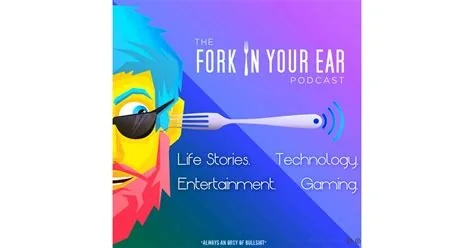
In this two‑hour episode, hosts Tim K.A. Trotter and Nate break down the legal and creative challenges of AI‑generated music. They explain the S.A.F.E. model, explore the Creative Provenance Framework, and give you clear actions to protect your tracks while still leveraging AI tools. The discussion moves from theory to concrete steps you can apply today.
Why AI‑Music Ethics Matter Now
Generative AI has shifted from novelty apps to full‑scale music‑production engines, leaving copyright rules in a gray zone. Without clear guidelines, artists risk having their work scraped and sold without consent, which can erode livelihoods and spark costly lawsuits. The episode highlights how transparency and provenance are becoming essential for sustainable creativity.
The S.A.F.E. Model Explained
The hosts unpack the S.A.F.E. framework—Scrutinize, Add, Fair—to help musicians evaluate AI tools. By checking the provenance of training data, injecting a human layer, and demanding opt‑in licensing, creators can stay both legal and innovative.
Creative Provenance Framework (CPF)
CPF makes the lineage of a generated track visible, allowing you to contest unlicensed borrowing. Its open‑source code aims to bring accountability to AI pipelines, giving artists a way to trace how their melodies are used.
Practical Steps for Musicians
- Scrutinize training data: Verify that the AI model you use respects copyright and doesn’t rely on unlicensed samples.
- Add a human layer: Insert a unique vocal phrase, custom chord progression, or lyrical twist to claim originality.
- Support fair licensing: Back initiatives that require explicit consent before artists’ work feeds AI models.
- Use data passports: Adopt tools that log every instance your track is used for training, giving you leverage for downstream revenue.
Industry Impact and Future Directions
Record labels are drafting clauses that require artists to certify the originality of AI‑assisted tracks. Streaming platforms are testing metadata tags that flag AI‑generated content, which could reshape royalty calculations. Meanwhile, developers face pressure to open their training pipelines or risk alienating the very creators they aim to empower.
Voices from the Episode
Guest Daniel N.J. Halbert warned, “If we keep treating AI as a magic wand, we’ll end up with a legal minefield.” He emphasized that artists must become gatekeepers of their data and that developers need tools to prove provenance. Co‑host Nate added, “It’s not about banning AI. It’s about making sure the technology respects the people who built the cultural foundation we’re remixing.”
Takeaway
The episode leaves you with a simple question: If an AI can write a hit song, who owns the hit? The answer will depend on how quickly the community turns ethical theory into enforceable practice. By following the steps above, you can protect your creative rights while still harnessing the power of AI.