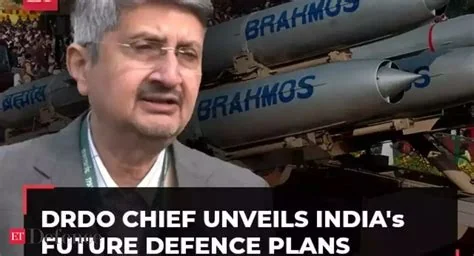
DRDO says AI is no longer a distant concept for the Indian armed forces—it’s an operational necessity today. The agency’s leadership argues that the sheer volume of defence data overwhelms human analysts, and only AI can turn that flood into actionable insight in seconds. If you’re watching the shift, you’ll notice faster threat detection and smarter autonomous systems emerging across the battlefield.
Why AI Is Essential for Modern Defence
Today’s battlefields generate terabytes of imagery, signals and logistics information every hour. Human operators simply can’t parse that amount fast enough to make split‑second decisions. AI algorithms slice through the noise, fuse sensor inputs, and highlight genuine threats before they become critical. This speed gives commanders the confidence to act decisively, and you’ll see a noticeable drop in response times across all domains.
Operational Benefits of Real‑Time Data Fusion
AI‑driven platforms combine radar, satellite and UAV feeds into a single, coherent picture. The system flags anomalies, predicts enemy moves, and even suggests optimal courses of action within seconds. In practice, that translates into quicker target acquisition for air‑defence, more coordinated drone swarms, and predictive maintenance that keeps legacy platforms mission‑ready.
Indigenous AI Development and Funding
DRDO has earmarked a dedicated Technology Development Fund capable of disbursing up to ₹50 crore to home‑grown innovators. The agency’s 20‑year roadmap places AI at the top of its priority list, emphasizing self‑reliance and reducing dependence on foreign models. By nurturing domestic talent and securing critical data, India aims to turn its AI breakthroughs into exportable defence solutions.
Challenges in Deploying AI on the Battlefield
Integrating cutting‑edge AI with legacy hardware is far from straightforward. Engineers must ensure cybersecurity, achieve certification for combat use, and adapt algorithms to rugged field conditions. These hurdles demand a new skill set that blends software expertise with deep knowledge of existing platforms.
Integrating AI with Legacy Systems
DRDO scientists are building “digital twins” of air‑defence networks, allowing AI to run endless simulations before any missile ever fires. This approach validates performance, uncovers integration bugs, and shortens the path from prototype to fielded capability.
Building Secure, Sovereign Datasets
Imported datasets often miss the contextual nuances of the Indian theatre. To solve this, DRDO is launching a national data‑labeling initiative in partnership with defence universities and ISRO, creating a secure, sovereign data lake for AI training. The effort ensures that models learn from locally relevant scenarios, reducing the risk of hidden biases.
Roadmap and Timeline for AI Integration
DRDO expects AI‑augmented decision‑making to be operationally embedded in key platforms within the next three to five years. Short‑term milestones include AI‑assisted surveillance, predictive logistics and intelligent command‑and‑control tools. The long‑term vision is a fully autonomous air‑defence shield that can detect, evaluate and neutralize threats without human intervention.
Short‑Term Milestones
- Deploy AI‑enabled early‑warning systems that cut detection latency from minutes to seconds.
- Implement predictive maintenance across legacy aircraft and naval vessels.
- Integrate AI‑driven analytics into joint command centres for faster situational awareness.
Long‑Term Vision for Autonomous Defence
- Achieve seamless sensor fusion across land, air and sea domains.
- Field fully autonomous drone swarms capable of coordinated strike missions.
- Establish an AI‑driven air‑defence shield that operates with minimal human oversight.
What This Means for India’s Strategic Autonomy
The push for indigenous AI strengthens India’s strategic autonomy by keeping critical technology under national control. As AI becomes the connective tissue of future warfighting, you can expect a more resilient defence posture, new export opportunities, and a reduced vulnerability to external supply‑chain disruptions. The success of this initiative will shape not only battlefield outcomes but also the broader trajectory of India’s security landscape.