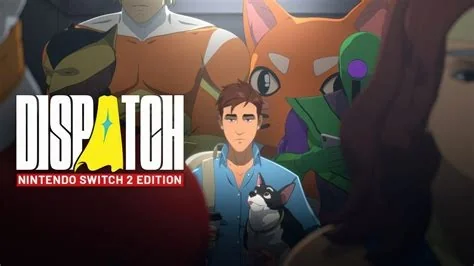
Dispatch, the indie interactive‑fiction title known for its branching narrative and tactical humor, is now available on both the original Nintendo Switch and the upgraded Switch 2. While the Switch 2 port delivers smoother performance and sharper visuals, the release has sparked debate because certain dialogue and visual elements were censored compared to the PC version, raising questions about creative freedom on console platforms.
Portable Heroic Adventure Arrives on Switch 2
Dispatch invites players to step into a hero’s role, blending tactical decision‑making with witty storytelling. The game’s portable adaptation preserves its comic‑book aesthetic, allowing fans to experience the narrative adventure on the go without sacrificing the core gameplay loop that made the original release a standout indie title.
Critical Reception Highlights Performance Boost
Reviewers praise the Switch 2 version for its smoother frame rates and enhanced visual clarity, noting that the hardware upgrades amplify the game’s vibrant art style. The performance improvements ensure that the tactical combat and dialogue sequences run seamlessly, reinforcing Switch 2’s reputation as a strong platform for narrative‑driven indie games.
Understanding the Censorship Dispute
Both the original Switch and Switch 2 editions contain modifications that were not present in the PC or earlier console releases. The developer confirmed that specific dialogue lines and visual references deemed controversial were altered or removed for the Nintendo versions, prompting a broader conversation about platform policies and artistic integrity.
What Content Was Modified?
The censored changes focus on language and imagery that could be interpreted as sensitive in certain regions. While exact details vary, the adjustments typically involve removing or rephrasing lines that reference contentious topics, as well as altering visual cues that might conflict with platform compliance guidelines.
Implications for Indie Developers and Platforms
The Dispatch case highlights the delicate balance indie studios must strike between creative vision and platform requirements. Developers may face pressure to adapt content for broader audiences, which can affect player perception and trust. At the same time, console manufacturers can become entangled in public debates, even when they are not the direct source of the changes.
Best Practices for Navigating Platform Policies
- Maintain a master version of the game’s script and assets.
- Document every platform‑specific alteration with clear rationale.
- Engage legal counsel early in the localization process.
- Conduct pre‑emptive compliance reviews to anticipate potential issues.
Future Outlook for Narrative Games on Switch 2
Dispatch’s successful performance on Switch 2 demonstrates the handheld’s capability to host rich, choice‑driven experiences. As more indie titles target the platform, developers will likely refine their collaboration models with console holders to minimize content disputes. Players can expect continued access to compelling narrative adventures on the go, while the industry works toward clearer standards that protect both creative expression and platform compliance.