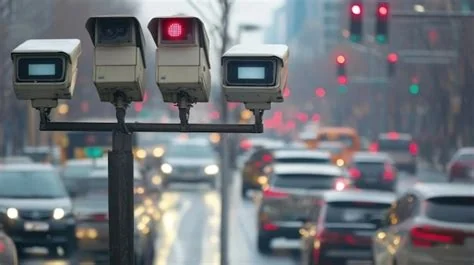
Charleston has just installed AI‑powered adaptive traffic lights along Calhoun Street, turning a historic bottleneck into a data‑driven corridor. The new system uses cameras and pavement sensors to adjust green phases in real time, aiming to cut stops, reduce crashes, and improve travel time for drivers, cyclists, and pedestrians. You’ll notice smoother flow within weeks as the AI learns the street’s patterns.
Why Calhoun Street Needed Smart Signals
Every day, roughly 20,000 vehicles travel this 1.48‑mile stretch, linking schools, hospitals, and bustling businesses. Past crash reports showed more than 750 incidents in just five years, with dozens involving pedestrians and cyclists. Residents have long voiced concerns about safety, and city officials recognized that static timers couldn’t keep up with the mixed‑traffic demands.
How the AI Traffic System Works
Embedded pavement sensors and high‑definition cameras feed live data to a central processor. Machine‑learning algorithms predict short‑term traffic surges and automatically extend green phases for the dominant flow. When a pedestrian button is pressed, the system calculates the optimal gap, keeping vehicles moving while giving walkers a safe crossing window.
Calibration Phase
During the first few weeks, you may see brief “slow” adjustments as the AI calibrates. The system continuously ingests new data, fine‑tuning signal timing to match real‑world conditions.
What Drivers and Pedestrians Can Expect
- Reduced wait times: Adaptive timing cuts unnecessary stops.
- Improved safety: Real‑time detection of near‑misses helps prevent collisions.
- Clearer pedestrian crossings: Signal gaps are optimized for foot traffic.
Local commuters report that traffic feels less “stop‑and‑go,” and cyclists notice fewer abrupt halts. The city’s traffic‑management team will publish performance dashboards, so you can track improvements yourself.
Environmental and Safety Benefits
By smoothing flow, the AI lights lower stop‑and‑go cycles, which in turn reduces fuel consumption and emissions. Fewer idling vehicles mean cleaner air for nearby neighborhoods. Moreover, the system’s ability to prioritize emergency routes helps ambulances reach hospitals faster.
Funding and Partnerships
The project was made possible by a $1 million SMART Grant from the U.S. Department of Transportation, eliminating the need for direct city spending. Additional local funds supported upgraded crosswalk markings and cyclist‑friendly signage. Collaboration with the Medical University of South Carolina ensured that emergency vehicle routes are seamlessly integrated into the adaptive logic.
Looking Ahead
City officials anticipate that the AI‑driven corridor will set a benchmark for other historic districts seeking modern mobility solutions. As more data accumulate, the system will keep evolving, offering you a safer and faster commute on Calhoun Street.