BEL’s new Missile Integration Hub in Bengaluru combines AI‑powered assembly, testing and calibration of surface‑to‑air missiles, delivering faster response times for the Indian Army and Air Force. The facility centralises design, integration and real‑time data‑fusion, letting you tap into cutting‑edge decision‑support tools while shrinking the gap between prototype and battlefield.
Why the New Hub Matters for India’s Defence
The hub marks a decisive shift toward fully indigenised, AI‑enabled defence capabilities. By co‑locating missile integration with advanced software talent, BEL accelerates the deployment of home‑grown systems that can match, and often exceed, imported alternatives. This consolidation also reduces logistical overhead, making the supply chain leaner and more resilient.
AI‑Driven Missile Assembly and Testing
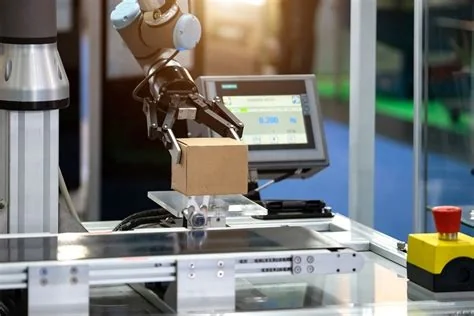
Every missile that rolls out of the Bengaluru facility undergoes AI‑guided quality checks. Machine‑learning algorithms analyse sensor data in milliseconds, flagging anomalies before they become costly defects. The result is a higher yield of battle‑ready weapons and a noticeable cut in development cycles.
Integrated Radar and Decision‑Support Systems
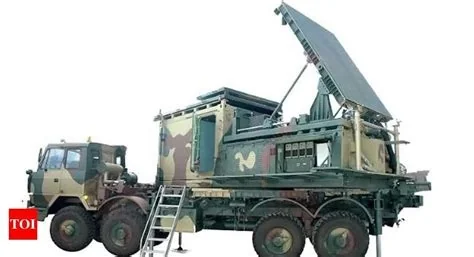
Alongside missile work, the hub houses the Mountain Fire‑Control Radar, which feeds real‑time situational awareness into AI modules. These modules fuse multiple data streams, prioritize threats, and suggest engagement options—all within a fraction of a second. For operators on the ground, that speed can be the difference between success and failure.
Strategic Benefits for the Tech Ecosystem
India’s tech startups now have a clear pathway to defence contracts. The accompanying BEL AI Policy formalises a roadmap for integrating trustworthy algorithms across avionics, electronic‑warfare suites and beyond. As a result, you’ll see more collaboration between defence labs and private innovators, driving both economic growth and national security.
Opportunities for Start‑ups
- Algorithm licensing: Companies can licence proven AI models for radar‑signal processing.
- Hardware integration: Start‑ups offering rugged, low‑latency processors gain direct access to BEL’s testing facilities.
- Cybersecurity services: With AI embedded in weapons, robust security solutions become a top priority.
Impact on Regional Security
The hub’s network‑centric design enables seamless data sharing across land, air and sea domains. This connectivity shortens the “kill chain,” making it harder for adversaries to exploit latency gaps. As neighbouring nations ramp up their own AI‑enabled arsenals, India’s self‑reliant approach reshapes the strategic balance in the region.
Insights from Engineers and Analysts
Senior BEL engineers stress that embedding AI transforms missile guidance from deterministic to probabilistic decision‑making. That shift demands rigorous validation, continuous software updates and hardened cybersecurity—much like the practices seen in commercial aerospace.
Engineering Challenges and Solutions
Key hurdles include ensuring algorithmic transparency, managing data‑volume overload, and protecting against cyber intrusion. BEL tackles these by adopting modular software architectures, real‑time verification loops, and strict access controls, all of which keep the system both adaptable and secure.
Operational Advantages of Network‑Centric Design
Real‑time data sharing reduces latency between detection and engagement, a critical factor when confronting swarms of drones or hypersonic threats. Analysts note that this capability could dramatically improve response times, giving operators a decisive edge in contested environments.
Bottom Line
The Bengaluru Missile Integration Hub isn’t just a production line—it’s the physical anchor of India’s ambition to fuse cutting‑edge AI with indigenous missile technology. As the Akash regiments roll out and the Mountain Radar spins up, the real test will be how swiftly these integrated systems adapt to an ever‑evolving threat landscape.