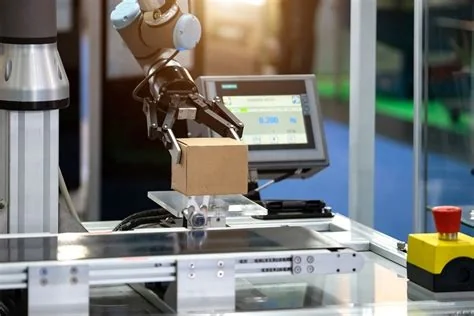
Apple is shifting Mac mini production to the United States with a brand‑new 20,000‑square‑foot plant in Houston, a move that promises thousands of new manufacturing jobs, tighter control over its supply chain, and a faster path from silicon to finished device. The expansion marks the first time the iconic desktop will be assembled on U.S. soil, signaling a major strategic pivot for the company.
Why Apple Is Moving Mac mini Production Stateside
For years Apple relied on an overseas assembly network, but pandemic‑related disruptions, geopolitical tension, and a tightening chip market forced a rethink. By bringing Mac mini assembly home, Apple can react faster to demand spikes, protect its inventory from overseas bottlenecks, and keep its newest silicon close to the final build line. This shift also aligns with a broader industry trend toward domestic manufacturing resilience.
Job Creation and Economic Impact in Houston
The Houston expansion is set to create thousands of jobs across assembly, logistics, and support functions. Skilled technicians, robotics engineers, and supply‑chain coordinators will find new opportunities, while the local economy benefits from higher‑pay manufacturing positions. You’ll likely see a ripple effect as ancillary services—such as transportation and component testing—grow to support the plant’s operations.
What the New Plant Means for Upcoming Devices
Apple’s fresh manufacturing capacity is timed to coincide with its next wave of MacBook and iPad releases. With the plant ready to roll out devices built on the latest Apple silicon, the company can streamline production, reduce lead times, and ensure that new hardware launches arrive on shelves without the usual overseas delays. This tighter integration could give Apple a competitive edge in the fast‑moving laptop market.
Supply‑Chain Resilience and Faster Delivery
Having a domestic assembly line lets Apple control more of the supply chain, from wafer‑level chip fabrication to final product testing. The result is a shorter, more predictable logistics chain that can adapt quickly to component shortages. For you, that means fresher inventory, fewer stock‑outs, and potentially lower shipping costs as products travel shorter distances to reach U.S. consumers.
Potential Cost Implications for Consumers
Domestic production often carries a higher price tag, and some of that cost may be passed to shoppers. However, Apple’s track record shows it can offset higher manufacturing expenses with performance gains, brand value, and efficiency improvements built into its silicon. If the upcoming M4 chip delivers the promised boost in power and battery life, the extra cost could feel justified.
What Consumers Should Watch For
Keep an eye on three key signals: the rollout schedule of new MacBook models, the debut of an M4‑powered iPad, and any price adjustments that reflect the shift to U.S. assembly. If Apple aligns its product launches with the Houston plant’s output, you could see faster availability and a tighter integration between hardware design and manufacturing.
Bottom Line
Apple’s Houston expansion isn’t just a real‑estate footnote—it’s a strategic lever that could reshape how the company balances global efficiency with local resilience. By moving Mac mini production stateside, Apple strengthens its supply chain, fuels job growth, and sets the stage for a new generation of devices built closer to home. The next few weeks will reveal whether this gamble pays off for both Apple and you, the consumer.