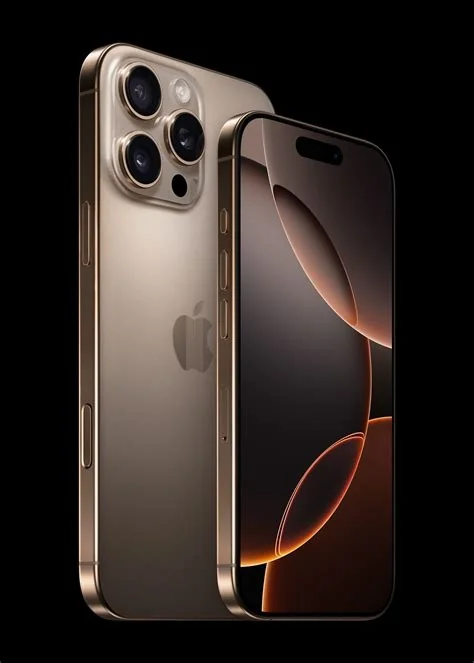
Apple’s upcoming iPhone 18 keeps the classic silhouette while shedding the controversial two‑tone back, adding a single‑tone finish, slimmer bezels, and a flatter camera module. The front‑facing camera also receives a Center Stage boost with a wider field of view and smarter AI tracking, giving you smoother group selfies and more reliable video calls.
Single‑Tone Finish Replaces Two‑Tone Back
The new Pro models will return to a solid‑color rear, offering classic space‑gray, silver, or a fresh “coffee” shade. Dropping the two‑tone design simplifies manufacturing and reduces glare variations, which should translate into a more consistent look across lighting conditions.
Subtle Design Tweaks Keep the Silhouette Familiar
Thinner Bezels and Lighter Frame
Apple trims the side bezels by a few millimeters, making the display feel a touch larger without increasing the overall size. The chassis also sheds a small amount of weight, so the phone feels a bit more comfortable in hand during all‑day use.
Re‑engineered Camera Bump
The camera module sits closer to the rear glass, creating a flatter profile that reduces the “step” you notice when placing the phone on a flat surface. This change not only looks cleaner but also improves durability by minimizing stress points.
Center Stage Gets a Front‑Camera Upgrade
Apple’s latest Center Stage implementation widens the field of view and leverages a more powerful AI processor. The system now tracks multiple subjects simultaneously, keeping everyone in frame even as they move around. For creators and remote workers, that means fewer awkward cuts and a more natural conversation flow.
iPhone 17e: Affordable Variant Arriving Early
Alongside the flagship, Apple plans to launch an iPhone 17e in February. The “e” model will feature a modest processor bump, a slightly larger battery, and a reduced camera bump. By offering a lower‑priced option during the post‑holiday lull, Apple aims to keep sales momentum steady before the September flagship drop.
Why These Changes Matter for Users and Developers
Switching to a single‑tone finish could lower production costs, potentially allowing Apple to price the 17e more competitively or invest in software features like the upgraded Center Stage. The refined hardware also opens new possibilities for developers, especially those building AR experiences that rely on accurate facial mapping and group tracking.
Practitioner Insight
Senior iOS engineer Maya Patel notes that the enhanced front‑camera feed will let developers experiment with real‑time multi‑person framing. “If Center Stage can reliably keep everyone in focus, we can design collaborative video tools that feel native to iOS,” she says. A uniform rear finish also means fewer UI adjustments for different color variants, streamlining testing cycles.
What to Expect Next
The September Apple event will confirm which of these rumors become reality. In the meantime, you can keep an eye on the evolving design language and the early‑year 17e launch, both of which hint at Apple’s strategy of incremental innovation paired with broader market coverage.