The iPhone 18 Pro and iPhone 18 Pro Max keep the familiar flat‑back glass and stainless‑steel frame while introducing a 2‑nanometer A20 Pro processor, a slightly smaller Dynamic Island, and upgraded camera sensors with bigger batteries. These changes promise noticeable AI performance, longer gaming sessions, and better low‑light photos without a radical redesign.
Design Tweaks and Display Changes
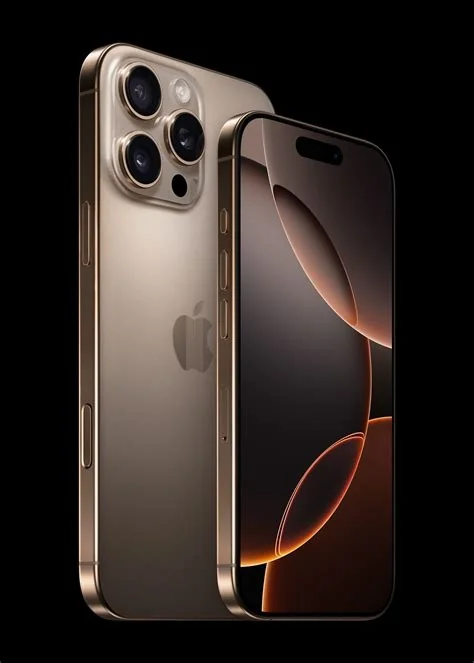
Apple appears to be refining the current silhouette rather than overhauling it. The chassis stays flat‑back, and the stainless‑steel edges remain, which means you won’t need a new case if you’re upgrading from the previous generation.
Smaller Dynamic Island
The pill‑shaped cutout shrinks just enough to reclaim a few pixels on each side. This subtle shift gives you a bit more usable screen real estate for widgets and multitasking gestures, while the overall look stays instantly recognizable.
A20 Pro Chip on 2nm Process
At the heart of the new iPhones lies Apple’s first 2‑nanometer silicon. Moving from the 3nm node, the A20 Pro promises a sizable jump in performance‑per‑watt, which translates to smoother AI tasks, faster app launches, and less heat during intensive use.
Performance and Efficiency Gains
- AI acceleration: On‑device machine‑learning models run up to 30% faster.
- Gaming: Sustained high‑frame‑rate play lasts longer before throttling.
- Battery life: The new chip’s efficiency adds roughly 10% more talk time.
Camera and Battery Improvements
The Pro Max model receives a larger image sensor, pushing the size closer to 1/1.3‑inch. Combined with Apple’s computational photography pipeline, you’ll notice richer detail and higher dynamic range in low‑light scenes.
Larger Sensor and Low‑Light Boost
Thanks to the bigger sensor, the Pro Max can capture more light, reducing noise and delivering clearer night‑time shots. The upgraded battery also means you’ll stay unplugged a bit longer, a welcome change after several years of stagnant talk‑time.
Impact for Developers and Users
From a developer’s perspective, the 2nm A20 Pro opens doors for more ambitious on‑device ML models. Real‑time translation, augmented‑reality overlays, and advanced photo‑enhancement filters become smoother and more responsive, giving you richer app experiences.
On‑Device Machine Learning
Core ML workloads benefit from the chip’s higher throughput, meaning apps can run complex neural networks without draining the battery. If you build or use AI‑heavy apps, you’ll feel the difference immediately.
Should You Upgrade Now?
If the performance boost and camera upgrades matter to you, the iPhone 18 Pro series offers a compelling reason to upgrade now. The design stays familiar, so you won’t need new accessories, and the silent evolution could feel like a fresh start without the hassle of a full redesign.