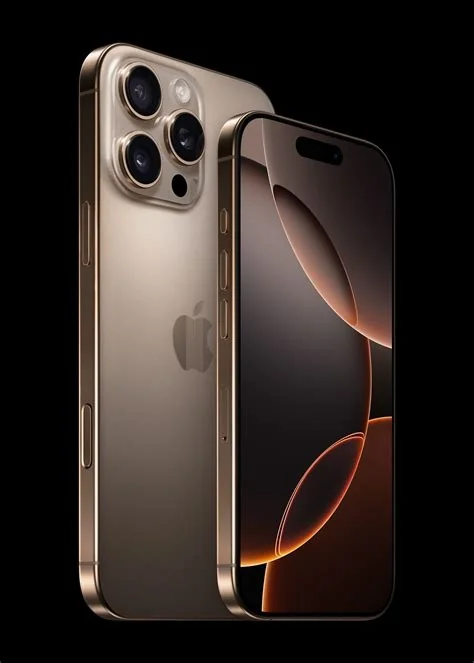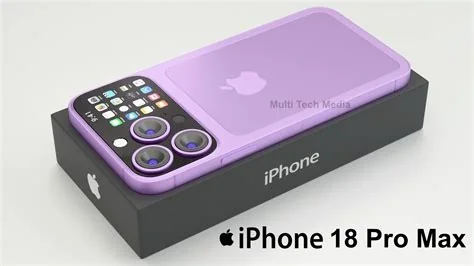
The iPhone 18 Pro Max introduces a foldable display, an under‑display Face ID system, a larger battery, and Apple’s new A20 Pro chip, delivering stronger performance and longer endurance. It also adds a variable‑aperture camera that adapts to lighting, promising better low‑light shots. These upgrades aim to keep the flagship ahead of competitors while preserving Apple’s familiar design language.
Foldable Form Factor
Apple’s rumored hinge lets the 6.7‑inch screen bend inward, turning the phone into a more compact device when folded. If the design reaches production, you’ll get a true foldable iPhone that competes directly with other premium foldables on the market.
Under‑Display Face ID
The new model could hide Face ID sensors beneath the screen, eliminating the notch and Dynamic Island. This seamless front panel frees up extra real‑estate for apps and videos, giving you a cleaner viewing experience.
Battery and Performance Boost
Apple plans to increase battery capacity by roughly 10 percent, which should add an hour or two of mixed‑use time. Paired with the A20 Pro chip, the device promises faster AI processing without draining power.
A20 Pro Chip Highlights
The A20 Pro features a dedicated neural engine that accelerates on‑device machine‑learning tasks. Whether you’re translating text in real time or editing photos offline, the chip aims to keep your workflow smooth and private.
Camera Innovations
A variable‑aperture primary lens will swing between f/1.5 and f/2.2, adapting to lighting conditions on the fly. This flexibility should give you richer low‑light images and more control over depth of field.
Advanced Imaging Features
Alongside the new lens, Apple is expected to upgrade the sensor array for higher‑resolution video and AI‑driven enhancements. Photographers and content creators will find more tools for professional‑grade results straight from the phone.
What It Means for You
If Apple launches the foldable Pro Max, you’ll have a device that blends the convenience of a traditional smartphone with the expansive screen of a tablet. The under‑display Face ID and larger battery make daily use smoother, while the A20 Pro chip and variable aperture keep performance and image quality at the forefront.
Practitioner’s Perspective
Maya Patel, a senior mobile photographer, says, “The variable aperture rumor is exciting. Right now, we rely on software tricks to brighten shadows. If Apple gives us a true f/1.5‑to‑f/2.2 lens, the dynamic range in low‑light will finally match what we get on high‑end DSLRs.” She adds that a bigger battery combined with a more efficient chip could mean fewer interruptions during long shoots, a practical benefit that often gets lost in hype.