Apple’s upcoming iPhone 18 Pro packs a modestly larger battery, a slimmer camera bump, and smarter power‑saving software, delivering up to two extra hours of mixed‑use endurance while keeping the familiar flat‑edge look you love. If you value longer screen time without sacrificing premium aesthetics, this model aims to hit that sweet spot.
Design Overview
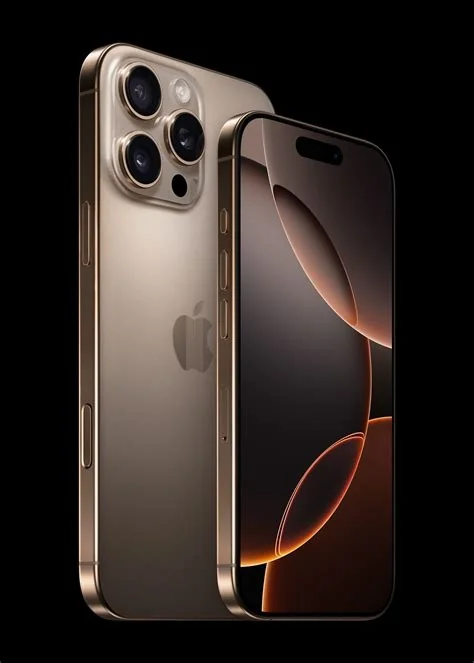
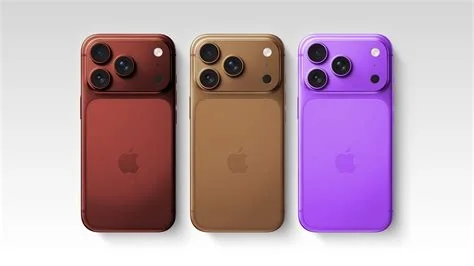
The iPhone 18 Pro sticks with the flat‑edge silhouette introduced in the iPhone 12 series, but subtle tweaks give it a fresher feel. The Dynamic Island cutout widens just enough to house a slightly larger under‑display camera, and the rear camera module sits lower thanks to a new lens arrangement. In short, the phone looks like a polished version of its predecessor rather than a full redesign.
Battery Improvements
Apple is boosting the battery capacity to roughly 5,000‑5,200 mAh, a 3‑4 percent increase over the current model. Paired with the upcoming A20 chip built on a refined 3‑nm process, this extra juice translates into up to two additional hours of mixed‑usage time. You’ll likely see the iPhone 18 Pro Max crossing the 30‑hour mark in Apple’s own endurance tests, giving iOS a clearer edge over many Android flagships.
Software & Efficiency Enhancements
iOS is getting smarter about power. The display can now dip to 60 Hz when showing static content and jump back to 120 Hz for gaming or scrolling. Combined with the A20’s low‑power cores, this dynamic refresh‑rate scaling squeezes every milliwatt out of the battery, making the endurance gains feel even more pronounced.
AI Adjustments
Rumors suggest Apple is scaling back on‑device AI for the 18 Pro line, shifting heavier neural‑engine tasks to the cloud. This move helps preserve battery life, as intensive AI inference can drain power quickly. The trade‑off means you’ll still enjoy AI features, but they’ll lean on Apple’s servers rather than running entirely on the handset.
What It Means for You
For most buyers, the takeaway is simple: a familiar premium phone that lasts noticeably longer. The eSIM‑only version will appeal to frequent travelers who dislike swapping physical cards, while a dual‑SIM option remains for those who still need a physical SIM slot. Overall, Apple is betting that endurance will become a key differentiator in the high‑end market.
Expert Insight
Maria López, a battery engineer who consults for several smartphone OEMs, calls the capacity bump “a clever play.” She explains that “you can’t just slap a 6,000 mAh cell into a thin flagship without redesigning the internals. Staying within the 5,000‑5,200 mAh window shows Apple has optimized cell layout and thermal management to keep the device slim while gaining real‑world stamina.” López adds that the A20’s efficiency gains are “the kind of silicon‑software co‑design that turns a modest mAh bump into a noticeable user‑experience win.”
Future Outlook
If the iPhone 18 Pro delivers on these promises, Apple could set a new benchmark for endurance in the premium segment. Competitors will feel pressure to match not just raw specs but the seamless integration of battery, chip, and OS. As the launch approaches, the real excitement may shift from camera hype to how long the phone can stay powered in your daily routine.