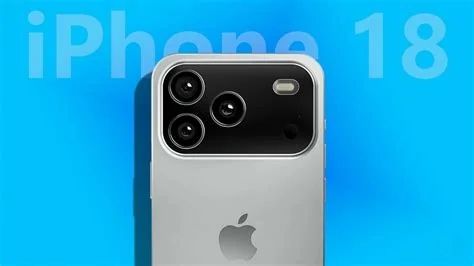
The iPhone 18 Pro is set to debut a variable‑aperture camera that adjusts the lens opening for low‑light and bright scenes, while Apple plans to maintain the current Pro pricing despite rising component costs. Meanwhile, the standard iPhone 18 may be delayed until 2027, giving you a clear choice between the fresh iPhone 17 and the upcoming flagship.
Variable Aperture Explained
Apple’s new lens system can widen the aperture in dim environments and narrow it under strong light, mimicking the flexibility of interchangeable‑lens cameras. This approach lets more photons hit the sensor when needed, reducing noise, and preserves highlights when the scene is bright.
How the Mechanism Works
- Motor‑driven blades shift to change the f‑stop on demand.
- Wider openings (lower f‑numbers) increase light intake for clearer night shots.
- Narrower openings (higher f‑numbers) protect bright areas from overexposure.
Benefits for Photographers
With a variable aperture, you’ll get deeper control over depth of field, better low‑light performance, and more natural‑looking highlights—all without carrying a separate camera.
Pricing Strategy for iPhone 18 Pro
Even though DRAM and NAND prices have surged, Apple intends to keep the iPhone 18 Pro at the same price point as the iPhone 17 Pro. The company’s massive buying power and a desire to avoid alienating premium buyers drive this decision.
Why the Price Stays Flat
- Bulk purchasing lets Apple absorb component cost spikes.
- Brand consistency maintains consumer confidence in the Pro line.
- Competitive positioning prevents rivals from undercutting Apple on price.
Delayed Base Model Timeline
Rumors suggest the regular iPhone 18 won’t launch until 2027. Supply‑chain bottlenecks, memory price spikes, and the need to align with a new silicon generation are the main reasons for the postponement.
What It Means for You
If you’re eyeing a new iPhone now, you might stick with the still‑fresh iPhone 17 or consider the iPhone Air as a mid‑tier alternative. Waiting for the base model could mean a longer gap but potentially a more refined device.
Implications for Developers and Consumers
Developers can look forward to new APIs that expose aperture data for advanced depth‑map manipulation. Carriers may benefit from stable high‑margin sales, while consumers get a flagship with genuine aperture control and a predictable price.