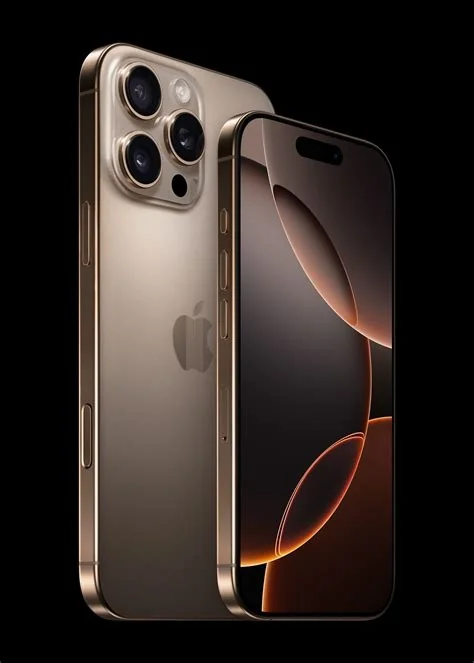
The iPhone 18 Pro introduces three noticeable design updates: a return to a single‑tone back, slimmer side bezels that add a few millimeters of usable screen, and a rounded rear‑camera housing that promises better low‑light performance. These tweaks aim to refine the flagship’s look while keeping the overall size familiar, giving you a fresher feel without a radical overhaul.
Single‑Tone Back Replaces Two‑Tone Finish
Apple appears to drop the contrasting aluminum‑and‑glass back that debuted on the previous Pro model. By moving to a single‑tone chassis, the company simplifies manufacturing and aligns the Pro line with the cleaner aesthetic seen on recent iPhone generations. For users who found the two‑tone finish jarring, this change should feel more cohesive.
Reduced Bezels Expand Usable Screen
The side bezels shrink by roughly 0.3 mm on each side, delivering a slightly larger display area without increasing the phone’s overall dimensions. Power users who constantly juggle multiple apps will notice the extra screen real estate, while the device remains comfortable to hold.
Rounded Rear Camera Module Improves Light Capture
The rectangular camera block gives way to a more rounded module, echoing design cues from earlier iPhone Pro models. This shape isn’t just cosmetic; it can broaden light‑capture angles, potentially boosting low‑light photography. The smoother housing also reduces stress on the glass during drops, adding a subtle durability benefit.
Budget Line Remains Steady
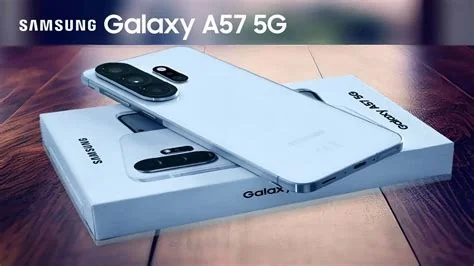
While the Pro models get a facelift, Apple’s entry‑level lineup stays largely unchanged. The upcoming budget phone retains a modest camera setup, which may satisfy price‑focused buyers but could leave some cost‑conscious users wanting more. If you prioritize affordability over premium photography, the current specs are likely sufficient.
Enhanced Center Stage Front Camera
Apple’s latest promotional clip showcases an upgraded Center Stage sensor that can keep multiple faces in frame during group selfies, automatically panning and zooming to maintain eye contact. Although the exact models aren’t confirmed, the timing suggests the iPhone 18 series will benefit from this modest yet welcome front‑camera boost.
Market Impact of the Design Tweaks
These incremental changes signal that Apple is listening to consumer feedback without overhauling its core design language. The single‑tone back may appease users who disliked the previous finish, while slimmer bezels and a rounded camera module reinforce the brand’s focus on refined evolution. Meanwhile, a steady approach to the budget line underscores Apple’s confidence in price elasticity—keeping entry‑level specs modest while the premium models carry the performance halo.
Industry Expert Insight
Industrial design consultant Maya Patel notes that the adjustments represent “low‑risk, high‑reward” moves typical of a mid‑cycle refresh. She explains that a single‑tone chassis cuts lead times and improves manufacturing yield, while the rounded camera housing reduces stress on the glass during drops. For developers, the upgraded Center Stage sensor could unlock new AI‑driven framing features in video‑call apps, offering you more creative possibilities.
Key Takeaways
- Single‑tone back replaces the controversial two‑tone finish.
- Bezel reduction adds usable screen space without enlarging the device.
- Rounded camera module aims for better low‑light capture and durability.
- Budget line stays modest, focusing on affordability.
- Center Stage upgrade enhances front‑camera group selfie experience.