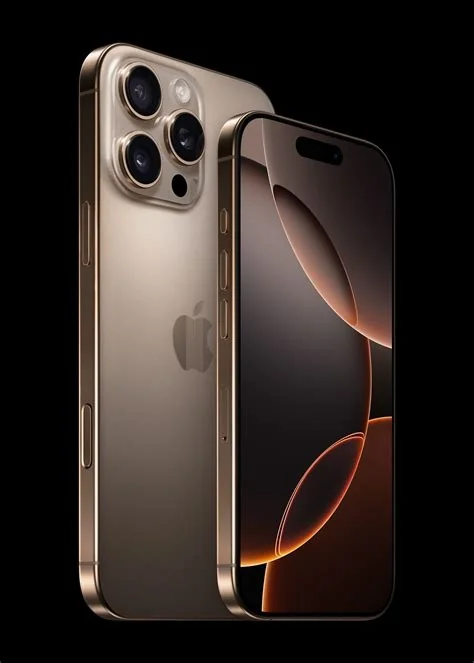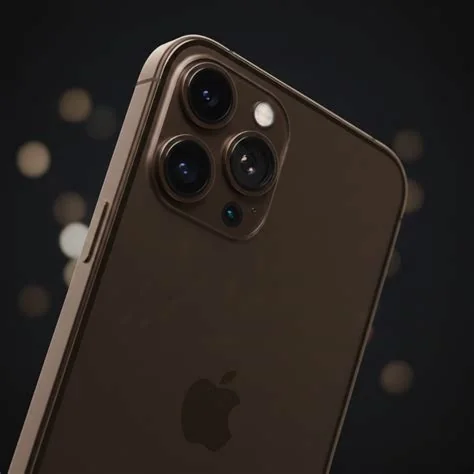
Apple’s upcoming iPhone 18 Pro packs a 2 nm A20 Pro chip, a 48‑megapixel sensor, and a groundbreaking 240 Hz ProMotion X display. The device also introduces a slimmer Dynamic Island, titanium‑alloy frame, USB‑C fast charging, and an optional periscope lens on the Pro Max. These upgrades aim to boost performance, photography, and durability while keeping the familiar iPhone silhouette.
iPhone 17e – modest upgrade or meaningful jump?
The iPhone 17e keeps the classic shape but adds a higher‑refresh‑rate screen and a slightly larger battery. A new A‑series processor promises about a 10 % performance boost over the current generation, while the camera hardware stays largely the same. This modest bump positions the 17e as a budget‑friendly bridge to the more ambitious 18 Pro lineup.
iPhone 18 Pro – twelve rumored features
- A20 Pro chip built on a 2 nm process for double‑digit efficiency gains.
- Refined Dynamic Island that blends seamlessly into the display edges.
- Always‑on per‑island display for quick glances.
- 48‑megapixel main sensor with larger pixels for superior low‑light performance.
- Periscope telephoto lens exclusive to the Pro Max, offering up to 10× optical zoom.
- 5,200 mAh battery paired with the 2 nm chip for full‑day use even under heavy load.
- USB‑C with 40 W fast‑charging support.
- Under‑display Touch ID for added biometric flexibility.
- Titanium‑alloy frame that reduces weight while boosting durability.
- iOS 18 Live Widgets that animate directly on the home screen.
- Expanded satellite emergency texting with broader coverage.
- ProMotion X refresh rate toggling between 120 Hz and 240 Hz for ultra‑smooth gaming.
Display and performance upgrades
The ProMotion X display can switch to a blistering 240 Hz, delivering buttery‑smooth scrolling and gaming. Coupled with the energy‑efficient A20 Pro, you’ll notice faster app launches and less heat during intensive tasks.
Camera advancements
The 48‑megapixel sensor and periscope lens dramatically improve low‑light shots and zoom capabilities. Photographers can expect sharper details and richer colors without relying on external lenses.
Design and durability
Apple trims the bezels, flattens the rear camera module, and introduces a titanium chassis. The result is a phone that feels lighter in hand while resisting dents and scratches.
Potential iPhone Fold concept
Rumors suggest Apple may be prototyping a foldable iPhone with a 7.2‑inch inner display and a 6.1‑inch outer screen, both powered by the A20 Pro. If it reaches market, the foldable could appeal to power users who want multitasking capabilities without carrying a separate tablet.
Ecosystem impact for developers, accessories, and consumers
- Developers: The 2 nm chip and higher refresh rates mean you’ll need to optimize graphics and battery usage, especially for games targeting the 240 Hz mode.
- Accessory makers: Slimmer Dynamic Island and titanium frames will require updated case designs, while USB‑C opens the door for a wider range of chargers and docks.
- Consumers: Expect a clear tiered lineup—17e as an affordable upgrade, 18 Pro as the flagship with tangible camera and performance gains, and possibly a niche foldable for early adopters.
Bottom line
Apple’s roadmap blends incremental design tweaks with bold hardware upgrades. The iPhone 17e offers a low‑risk step up, while the iPhone 18 Pro line delivers enough new features—like a 240 Hz display and a 48‑megapixel sensor—to keep enthusiasts excited. If the foldable prototype materializes, you’ll have even more choices for how you use a smartphone. No matter which model you pick, you’re looking at a device that aims to last all day and perform at a new level.