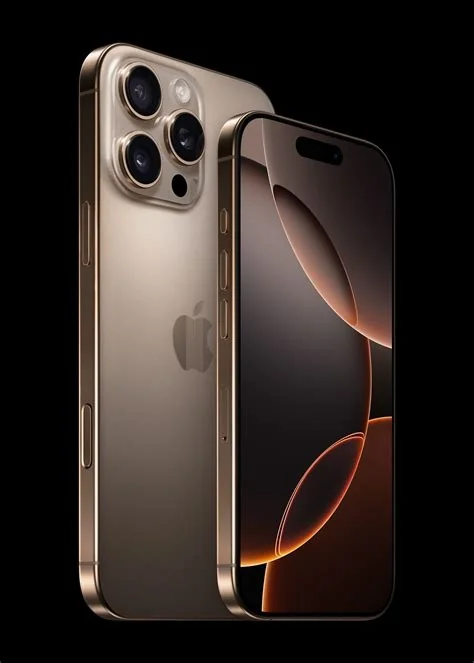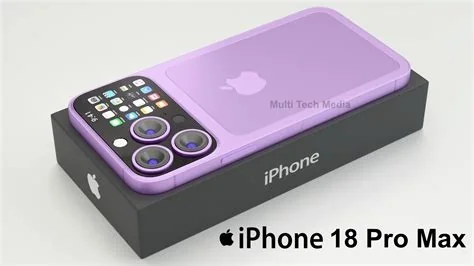
The iPhone 18 Max introduces an under‑display Face ID, a larger battery that extends screen‑time, and Apple’s new A20 Pro chip built on a 3‑nm process. It also adds a variable‑aperture camera and hints at a possible foldable design. These upgrades aim to boost performance, photography, and overall usability for power users and everyday fans alike.
Design Overhaul
Apple keeps the familiar flat‑edge frame and matte back, but moves the TrueDepth sensors beneath the OLED panel. This shift eliminates the Dynamic Island notch, giving you a true full‑screen experience and a few extra millimetres of display real‑estate for apps and media.
Battery Boost
The new battery cell is larger than the previous generation, translating into noticeably longer screen‑on time. If you often stream video or play graphics‑intensive games, you’ll appreciate the extra endurance without needing a charger as frequently.
A20 Pro Chip Performance
Apple’s A20 Pro chip is fabricated on a 3‑nanometer process, delivering up to 20% faster CPU speeds and 30% higher GPU throughput compared with the A19. The efficiency gains mean demanding AI‑driven apps run smoother while preserving battery life.
Camera Upgrade
The primary sensor adopts a variable‑aperture mechanism, opening wider in low‑light scenes and closing for bright conditions. Combined with larger pixels, this design promises cleaner images, reduced noise, and more detail across the lighting spectrum.
Foldable Possibility
Rumors suggest Apple may be prototyping a foldable version of the iPhone 18 Max. While details remain scarce, a successful implementation could place Apple alongside other manufacturers that have already entered the foldable market.
Market Implications
A full‑screen design with under‑display Face ID could pressure rivals to accelerate their bezel‑less roadmaps. The A20 Pro’s performance leap may widen the gap between Apple silicon and competing Snapdragon chips, especially for AI workloads. Variable‑aperture optics could set a new benchmark for low‑light smartphone photography.
Practitioners Perspective
Jenna Liu, senior iOS developer at a mobile‑gaming studio, says: “The A20 Pro’s extra GPU bandwidth is exciting. Our upcoming titles rely heavily on real‑time ray tracing, and the extra headroom means we can push visual fidelity without sacrificing frame rates. The under‑display Face ID also opens up new UI possibilities—think of immersive AR experiences where the screen isn’t interrupted by a notch or cutout.”
Markus Feldmann, optical engineer at a camera‑lens supplier, adds: “Variable aperture on a smartphone sensor is a game‑changer for computational photography. It gives us more raw data to work with, especially in mixed‑lighting environments. If Apple can integrate it without compromising the thin form factor, it could set a new standard for mobile imaging.”
What to Expect
As the launch window approaches, look for a live demo of the under‑display Face ID, concrete battery capacity numbers, and possibly a glimpse of the foldable prototype. Keep an eye on Apple’s announcements—you’ll want to know how these features translate into real‑world benefits for your daily use.