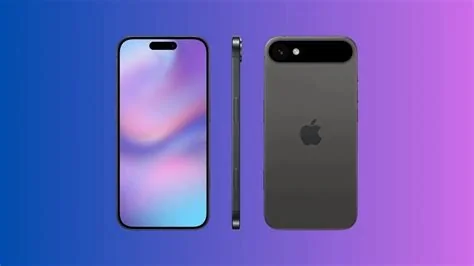
Apple’s upcoming iPhone 18 lineup introduces a radical design refresh, AI‑enhanced iOS 27, and a potential foldable model, delivering a near‑edge display, upgraded camera hardware, and the next‑gen A‑18 Bionic chip. These changes aim to improve low‑light photography, boost performance, and integrate on‑device AI across the system, positioning the iPhone 18 as a major step forward for the brand.
Design Overhaul with Near‑Edge Display
The iPhone 18 Pro and Pro Max adopt a pill‑shaped camera cutout that replaces the long‑standing notch, allowing the OLED panel to extend almost to the device edges. This redesign increases the screen‑to‑body ratio, delivers a cleaner aesthetic, and improves ergonomics by reducing bezel bulk.
Pro Models Feature Pill‑Shaped Camera Cutout
By housing the front‑facing camera system within a subtle pill shape, Apple achieves a near‑full‑screen experience while maintaining camera performance. The new layout also frees up interior space for larger batteries and additional components.
Camera System Boosts Low‑Light and Zoom
The iPhone 18 series upgrades its primary wide‑angle sensor with larger pixels and sensor‑shift optical image stabilization, enhancing low‑light capture and reducing motion blur. Software refinements in iOS 27 further improve real‑time scene analysis and portrait rendering.
Periscope Telephoto Lens on iPhone 18 Pro Max
The Pro Max model adds a periscope telephoto lens capable of up to 5× optical zoom, a significant jump from previous generations. This hardware change narrows the gap with competing Android flagships that already offer similar zoom capabilities.
Performance Gains from A‑18 Bionic Chip
Powered by the next‑generation A‑18 Bionic processor, the iPhone 18 delivers a 20‑30 % increase in CPU performance and a comparable boost in GPU throughput. The chip’s efficiency improvements support demanding AI workloads and extended multitasking without sacrificing battery life.
Increased RAM and GPU Efficiency
Apple is expected to equip the Pro models with 8 GB of RAM and the Pro Max with 12 GB, enabling smoother app switching and better handling of AI‑intensive tasks. The GPU architecture is also refined for higher frame rates in gaming and AR experiences.
iOS 27 Brings AI to the Core
iOS 27 integrates on‑device machine‑learning models that accelerate photo and video processing, deliver predictive text suggestions, and enable offline Siri interactions. Adaptive battery management learns user habits to dynamically allocate power, extending daily usage.
Foldable iPhone 18: New Form Factor
Rumors suggest a foldable iPhone 18 could launch alongside the standard lineup, featuring a durable hinge and flexible OLED display. If realized, this device would directly challenge Samsung’s Galaxy Z Fold series and could redefine premium smartphone design.
Market Impact and Consumer Benefits
The combined design, camera, performance, and AI upgrades address long‑standing user feedback, setting a new benchmark for flagship smartphones. Competitors may be compelled to revisit bezel sizes, enhance zoom optics, and accelerate AI integration to keep pace with Apple’s advancements.
Conclusion
The iPhone 18 series appears poised to deliver a near‑edge display, AI‑centric iOS 27, powerful A‑18 Bionic performance, and a possible foldable variant. These innovations aim to resolve previous criticisms while pushing the boundaries of what a smartphone can achieve, making the upcoming launch a pivotal moment for the industry.