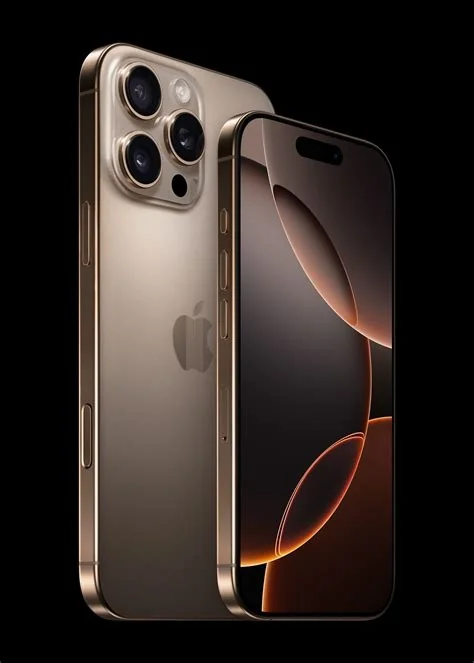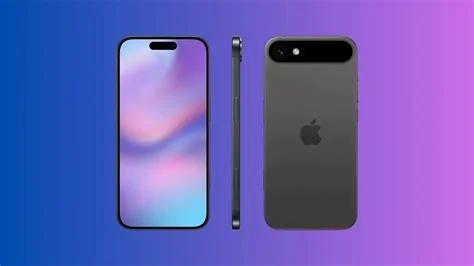
The iPhone 18 is expected to debut with Apple’s first 2 nm A20 Pro processor, a slimmer Dynamic Island, and a bold foldable Pro Max variant that could reshape the premium market. Alongside these high‑end upgrades, a more affordable iPhone 17e is rumored to arrive with a larger battery and improved low‑light camera, giving you options across price points.
Silicon Leap: A20 Pro on 2 nm
The upcoming A20 Pro will be Apple’s first system‑on‑chip built on a 2 nm process, moving beyond the current 3 nm generation. This shrink promises higher performance per watt, longer battery life, and extra headroom for AI‑heavy tasks. Developers can look forward to on‑device machine‑learning models that were previously too power‑hungry.
Design Tweaks and Foldable Ambitions
Smaller Dynamic Island
Apple appears to be trimming the Dynamic Island, making the UI element less intrusive while preserving its interactive capabilities.
Foldable Pro Max Concept
Rumors suggest the Pro Max could feature a foldable display, putting Apple in direct competition with existing flexible‑screen smartphones. The design would likely keep the Pro‑grade camera stack and offer a larger canvas when unfolded, opening new possibilities for multitasking and immersive media.
Camera and Battery Upgrades
- Enhanced sensors: Expect larger image sensors and faster per‑pixel readout, potentially adding a periscope‑style telephoto lens for the Pro Max.
- Battery capacity: A bigger battery combined with the efficiency of a 2 nm chip could push real‑world video playback well beyond today’s limits.
Affordable iPhone 17e Variant
A lower‑priced model is also on the horizon, featuring a slightly larger battery, an improved low‑light camera, and support for the newest 5G bands. This option gives budget‑conscious buyers a compelling alternative without sacrificing core performance.
Market Implications
If Apple launches a foldable Pro Max, the premium smartphone landscape could shift dramatically. Competitors have been gaining ground with flexible screens, but Apple’s brand strength might make a foldable iPhone the definitive high‑end device. Meanwhile, the 2 nm A20 Pro could set a new performance benchmark, pressuring Android OEMs to accelerate their own silicon roadmaps.
Developer and Engineer Perspectives
From a hardware standpoint, moving to a 2 nm node presents manufacturing challenges that may limit early production volumes and raise component costs. That could explain why the A20 Pro might stay exclusive to the Pro line while the iPhone 17e uses a more mature process. Software engineers are already prototyping UI adaptations for a foldable form factor, ensuring apps remain stable when the screen flips open.
What’s Next?
The rumor mill remains active as the next Apple keynote approaches. Keep an eye on supply‑chain signals for confirmation of the 2 nm transition, and watch for additional details on the foldable design. Whether the foldable Pro Max becomes reality or not, the upcoming iPhone 18 lineup promises enough innovation to keep you excited about the future of smartphones.