Apple is set to unveil the iPhone 17e in February, delivering a budget‑friendly model with the A18 Bionic chip, a larger battery, and modest camera upgrades while keeping the familiar flat‑edge design. At a sub‑$500 price point, the 17e could broaden iPhone adoption, and its launch hints at design tweaks for the upcoming iPhone 18 Pro series.
iPhone 17e: Affordable Entry-Level iPhone
Key Specs and Pricing
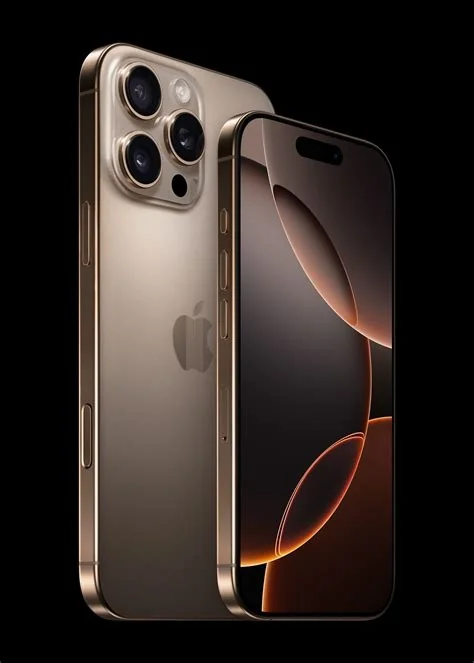
The iPhone 17e retains the flat‑edge chassis and notch that users recognize, but it steps up under the hood with the next‑generation A18 Bionic processor. Battery capacity sees a modest increase, giving you a few extra hours of screen time. Camera hardware gets a slight upgrade—better low‑light performance without a major redesign. Pricing is expected to sit just under $500, positioning the 17e as the most accessible iPhone in years.
iPhone 17 Pro Design: Is the Two‑Tone Back Ending?
Why a Single‑Tone Back Matters
Rumors suggest Apple may drop the two‑tone aluminum back that debuted with the iPhone 13 Pro. Moving to a single‑tone finish would streamline manufacturing, cut inventory complexity, and improve durability by eliminating the color seam that can chip over time. For you, that means a cleaner look and potentially lower repair costs.
iPhone 18 Pro: Subtle Design Evolution
Notable Hardware Changes
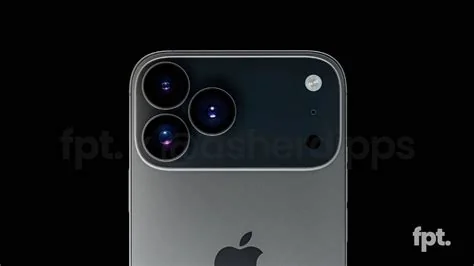
While the iPhone 18 Pro will look familiar, Apple is fine‑tuning several details. The bezel shrinks slightly, letting the display appear larger without expanding the phone’s overall size. The camera module sits flush with the frame, reducing wind resistance and the chance of scratches. Most eye‑catching is the new titanium alloy chassis on the Pro Max, which promises a lighter yet sturdier feel compared with stainless steel.
Impact on Developers and Accessory Makers
Software Considerations
The A18 Bionic’s incremental performance boost across the 17e, 17 Pro, and 18 Pro means developers can continue pushing graphics‑intensive apps without worrying about fragmentation. A unified design language also simplifies UI scaling, so you won’t need separate assets for each model.
Hardware and Case Design
Switching to titanium for the Pro Max will affect case manufacturers. Existing stainless‑steel molds won’t fit perfectly, and the alloy’s magnetic properties could alter MagSafe attachment strength. Conversely, abandoning the two‑tone back reduces the number of case variations you need to produce, streamlining inventory.
Industry Perspective
Designer Insights
Industrial designers are already adjusting roadmaps. A senior designer at a third‑party accessories firm notes that a standardized back material lets them streamline tooling, while the titanium chassis requires new magnetic testing. The lower‑priced 17e opens a fresh market for budget‑friendly accessories, prompting rapid prototyping of cases and mounts.
What to Expect Next
Apple’s February event should confirm the iPhone 17e’s exact specs, pricing, and availability. Later in the year, the iPhone 18 Pro line will likely reveal the refined design cues discussed here. Keep an eye on official announcements, because each change ripples through hardware, software, and the accessory ecosystem.