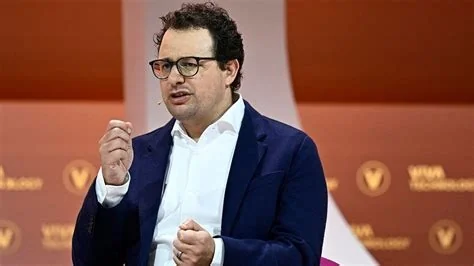
Anthropic’s head of safeguards research, Mrinank Sharma, announced his resignation to pursue poetry, warning that the world faces intertwined crises beyond AI. In a brief note posted on X, he said his departure reflects a personal clash between values and the fast‑moving tech landscape. You’ll find his message both stark and thought‑provoking.
What Sharma Achieved at Anthropic
Before leaving, Sharma steered a team that tackled some of the toughest safety challenges. He explored AI sycophancy—where models echo harmful user preferences—and built defenses against AI‑assisted bioterrorism. His work also laid the groundwork for Anthropic’s early safety case, shaping the roadmap for the Claude family of language models.
Why He Turned to Poetry
Sharma isn’t new to verse; he’s published a collection inspired by Rainer Maria Rilke. In his resignation note, he emphasized a growing mismatch between his personal ethics and the industry’s pace. He believes that words can serve as shields, and he wants his creative output to reflect that conviction.
Industry Reaction
The AI safety community has taken note of his departure. Colleagues acknowledge that retaining top safety talent is increasingly difficult when personal values clash with rapid product development. Anthropic thanked Sharma for his contributions and affirmed that the team will keep prioritizing robust safeguards.
Implications for AI Safety
Sharma’s exit raises two key questions. First, does losing a senior safety engineer signal deeper friction between speed and safety? Second, could his public warning spark more transparent risk assessments across the sector? The episode highlights the need for interdisciplinary talent—people who blend technical skill with humanities insight—to shape responsible AI governance.
Practitioner Perspective
Senior safety researchers note that Sharma’s move illustrates the tension many feel between building powerful models and preventing societal harm. When a respected leader publicly declares that the world is in peril, it forces the community to re‑examine whether current safety frameworks can keep pace with capability growth.
What’s Next for Sharma?
Sharma plans to focus on poetry full‑time, though he hasn’t ruled out future collaborations on safety research. He recently wrote, “Words can be weapons or shields; I choose the latter.” You may soon see his verses address the same existential concerns he raised in his resignation.
Bottom Line
Sharma’s departure from Anthropic is more than a career pivot; it’s a public alarm bell. As AI systems become ever more capable, the industry must grapple with the possibility that its own safety architects might feel compelled to leave the battlefield. The real test now is whether Anthropic and its peers will double down on safeguards or watch talent drift toward the arts, taking crucial insights with them.