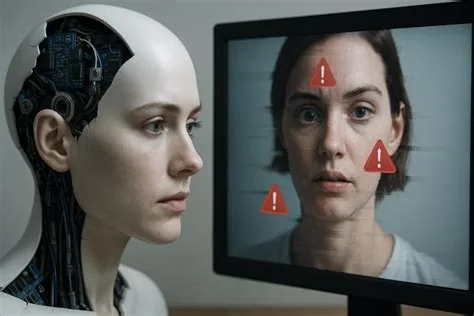
The integration of artificial intelligence in healthcare is transforming the medical industry, enabling faster diagnoses, improving patient care, and streamlining clinical workflows. You’re likely aware of AI’s potential to speed up care and cut costs, but what exactly does it entail? AI is being used to improve diagnosis, drug discovery, patient experience, data management, and robotic surgery. Companies like Pfizer, Butterfly Network, and Tempus are leveraging AI tools to support more personalized treatment.
What is AI in Healthcare?
AI in healthcare refers to the use of machine learning, natural language processing, deep learning, and other AI technologies to enhance the experiences of both healthcare professionals and patients. With AI, doctors can make quicker and more accurate diagnoses, health administrators can locate electronic health records faster, and you can receive more timely and personalized treatments.
Applications of AI in Medical Diagnosis
One of the most significant applications of AI in healthcare is in medical diagnosis. Roughly 400,000 hospitalized patients suffer preventable harm, with 100,000 deaths. AI-powered diagnosis can help reduce these numbers by identifying potential health risks and providing personalized recommendations. For instance, AI tools can analyze biometrics collected from wearable devices and provide hyper-personalized recommendations and predict potential health risks.
Overcoming Barriers to AI Adoption
Despite the potential of AI in healthcare, there are substantial barriers to its widespread adoption. Efficiency, compatibility with local IT infrastructure, stakeholder involvement, transparency, and clinician trust are crucial dimensions in the successful integration of AI in healthcare. To overcome these challenges, it’s essential to ensure that AI systems are designed with clinician input, provide transparency and explainability, and address concerns around data quality and security.
Implementing AI in Healthcare Organizations
A comprehensive list of evidence-based recommendations can help healthcare organizations successfully integrate AI. These recommendations include ensuring that AI systems are designed with clinician input, providing transparency and explainability, and addressing concerns around data quality and security. As a healthcare professional, you’ll want to assess the potential of AI in healthcare and develop implementation plans.
Implications of AI in Healthcare
As AI continues to reshape the healthcare industry, it’s essential to consider its implications. Medical AI is already being used in hospitals, but there’s a need for regulatory frameworks to ensure its safe and effective use. Who is watching the safety of medical AI? It’s crucial to prioritize transparency, accountability, and safety to ensure that AI’s benefits are realized while minimizing its risks.
Collaboration for a Successful Future
The successful integration of AI in healthcare will depend on collaboration between healthcare professionals, researchers, and policymakers. By working together, we can harness the potential of AI to improve patient care, streamline clinical workflows, and enhance the overall healthcare experience. As AI continues to evolve, you’ll play a critical role in shaping its future in healthcare.
- AI is transforming the medical industry with faster diagnoses and personalized care.
- Companies like Pfizer, Butterfly Network, and Tempus are leveraging AI tools.
- AI can help reduce preventable harm and deaths in hospitals.
- Successful AI integration requires clinician input, transparency, and data quality.
- Collaboration is key to harnessing AI’s potential in healthcare.
AI in healthcare is here to stay, and it’s essential to prioritize its safe and effective use. By doing so, we can ensure that its benefits are realized while minimizing its risks.
As you consider the role of AI in healthcare, remember that its successful integration will depend on your collaboration with healthcare professionals, researchers, and policymakers.