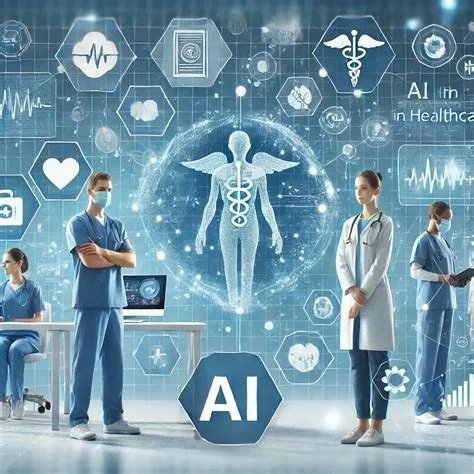
AI is reshaping how medical services reach people without stable housing by delivering instant diagnostics, matching shelter beds with health needs, and automating supply management. You’ll see faster scans, smarter resource allocation, and reduced wait times—all without adding extra staff. This article explains how the technology works, the tangible benefits, and what challenges remain.
AI‑Powered Imaging Brings Diagnostics to the Streets
Portable imaging devices equipped with AI can analyze X‑ray images in real time, flagging conditions such as pneumonia, fractures, or lung infections. Clinics set up in tents or vans now receive immediate diagnostic feedback, cutting turnaround from days to minutes. The same AI engines power rapid molecular tests that identify infectious diseases on the spot, giving you results while patients wait.
Instant Scans and Rapid Tests
These tools use pretrained models that have learned to recognize visual patterns associated with specific ailments. When a technician snaps a picture, the AI highlights suspicious areas and suggests a diagnosis, allowing clinicians to act instantly. The workflow eliminates manual data entry, reduces human error, and frees up staff to focus on patient care.
Predictive AI Optimizes Shelter Resources
Beyond diagnostics, AI platforms analyze shelter occupancy, health profiles, and seasonal trends to recommend where new arrivals should be placed and when supplies need replenishing. By turning raw data into actionable insights, shelters can balance capacity, prioritize urgent medical cases, and avoid stockouts.
Intelligent Bed Management
- Prioritized Placements: Algorithms rank bed assignments based on length of stay, medical urgency, and shelter capacity, trimming wait times.
- Dynamic Adjustments: Real‑time updates shift residents as conditions change, ensuring optimal use of space.
Predictive Resource Planning
- Demand Forecasting: Models anticipate spikes—like cold weather or flu season—so you can order extra blankets or vaccines ahead of time.
- Waste Reduction: By matching supply orders to projected need, shelters cut unnecessary spending.
Service Optimization and Monitoring
- Staff Scheduling: AI aligns nurse visits with residents’ medication schedules, improving care continuity.
- Real‑Time Dashboards: Alerts signal when a ward nears capacity or medication levels dip below safety thresholds.
Real‑World Benefits and Impact
Shelters that have adopted these AI solutions report up to a 30% reduction in average wait times and the ability to serve more people without expanding budgets. Cost efficiency improves as over‑ordering drops, stretching limited funds further. For frontline workers, the technology turns guesswork into a coordinated response, letting you focus on counseling and case management rather than paperwork.
Safety, Privacy, and Implementation Challenges
Deploying AI in vulnerable settings demands rigorous testing against clinical standards and strong data‑privacy safeguards. Devices must meet the same regulatory scrutiny as hospital equipment, and staff need training to trust and interpret AI recommendations. Ongoing validation and transparent reporting are essential to maintain confidence and protect patient information.
What Frontline Workers Can Expect
When you integrate AI into daily operations, you’ll see dashboards that instantly show which shelters lack wound‑care supplies, which residents need follow‑up for chronic conditions, and where the next flu surge is likely to hit. The system reduces intake processing from dozens of minutes to just a few, freeing you to engage more deeply with each individual’s story.