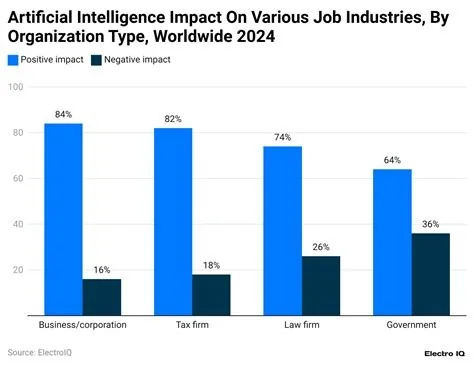
The rapid advancement of artificial intelligence (AI) has sparked widespread anxiety about its potential impact on jobs and industries. You’re probably wondering what the data actually say. So far, AI’s impact on the labor market has been minimal, but it’s essential to understand the nuances. The technology is simultaneously aiding and replacing workers, with wage data indicating a nuanced impact on the labor market.
Understanding AI’s Impact on Jobs
As you consider the effects of AI on your industry, it’s crucial to recognize that the technology’s impact will depend on whether it automates or augments worker tasks. Early data on employment and wages in AI-affected industries suggest a mixed effect. Companies investing heavily in AI are growing increasingly concerned that AI will upend established industries, and some are already cutting jobs as they shift investments toward AI.
Automation and Job Displacement
Deloitte’s recent survey found that early-career tasks in data entry and first-level customer support are common targets for automation. However, a staggering 84% of companies have not redesigned jobs around AI, and fewer than half of employers are actively retraining workers. This lack of preparation could lead to significant disruption in the workforce, and it’s essential for companies to prioritize worker retraining and upskilling.
What’s Happening on the Ground?
Companies like Amazon and Pinterest are pointing to AI as a reason for layoffs. While economists have generally downplayed the impact of AI on jobs, it’s clear that some employers are already feeling the effects. But here’s the thing: AI’s impact on jobs is not a binary outcome. The technology is still in its early stages, and its adoption is likely to be gradual.
Preparing for the Future
As AI continues to evolve, it’s essential for you to understand the potential implications for your job and industry. Companies must prioritize worker retraining and upskilling, which might involve redesigning jobs around AI, as well as providing workers with the skills they need to thrive in an AI-driven economy. But will companies be able to adapt quickly enough? And what about the workers who are displaced by AI – what happens to them?
Moving Forward
- Companies and policymakers must work together to mitigate the negative impacts of AI on the workforce.
- Investing in worker retraining programs and exploring new models for education and upskilling are crucial.
- By working together, we can ensure that the benefits of AI are shared by all – and that the negative impacts are minimized.
The conversation around AI and jobs is only just beginning. As we move forward, it’s essential to prioritize fact-based discussion and planning, rather than relying on speculation and anxiety.