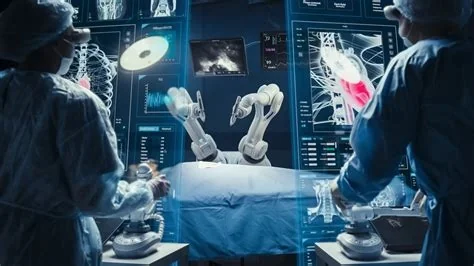
The AI‑enhanced TruDi Navigation System, designed to guide sinus surgery, has been linked to at least 100 malfunctions and serious adverse events. After three years with only a handful of issues, the recent software upgrade introduced AI algorithms that appear to have increased risk rather than safety. Hospitals and surgeons are now questioning whether the promised precision outweighs the growing safety concerns.
AI Integration in Surgical Navigation
How AI Changed TruDi
The original TruDi system helped otolaryngologists map sinus anatomy and steer instruments in real time. The AI layer was added to flag critical structures with millimetric precision, but reports now include cerebrospinal‑fluid leaks, skull‑base punctures, arterial damage, and strokes. The surge from a few early glitches to over a hundred incidents suggests the algorithm may misinterpret patient‑specific variations.
Why AI Can Falter
Machine‑learning models rely on large datasets, yet they struggle when faced with anatomy not represented in training data. This “black‑box” behavior can produce unexpected outputs, especially in complex facial structures. When the system suggested a trajectory dangerously close to the carotid artery, surgeons had to intervene manually, highlighting the limits of current AI reliability.
Implications for Stakeholders
Hospital Decision‑Making
Purchasing committees must now weigh the allure of AI‑driven precision against documented safety spikes. You’ll likely see tighter risk assessments and more rigorous post‑implementation monitoring before approving new devices.
Insurance and Reimbursement
Insurers may adjust coverage policies, potentially tightening reimbursement for procedures that depend on AI‑enhanced equipment until robust safety data emerges.
Manufacturer Challenges
Acclarent faces mounting pressure to provide transparent failure analyses. While market demand for AI‑augmented devices remains strong, a wave of lawsuits could erode physician trust and trigger stricter post‑market surveillance requirements.
Regulatory Landscape
Regulators are grappling with the dynamic nature of AI updates that can be deployed remotely after a device reaches the operating room. Traditional pre‑market clearance processes may not capture ongoing software changes, prompting calls for continuous monitoring models that feed real‑world performance data back into oversight decisions.
Practitioner Perspective
Surgeons who have used TruDi before and after the AI upgrade agree that human oversight remains irreplaceable. One experienced otolaryngologist explained, “When the system suggested a trajectory alarmingly close to the carotid, I stopped and re‑checked the anatomy manually. The AI didn’t understand the patient‑specific variation.”
Many clinicians now require dual‑verification protocols: the AI’s recommendation must be confirmed by a seasoned surgeon before any instrument moves. This approach aims to prevent complacency, especially among less‑experienced residents who might otherwise trust the algorithm blindly.
Looking Ahead
As AI spreads across more surgical specialties, the industry must balance cutting‑edge assistance with the risk of unforeseen errors. Robust post‑market data collection, transparent reporting, and clear guidelines on human‑AI interaction will be essential. Until those safeguards solidify, you’ll need to stay vigilant and critically assess each AI‑driven tool before integrating it into patient care.