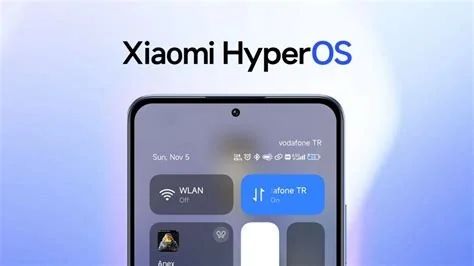
HyperOS 3 is now rolling out to 20 Xiaomi and Redmi smartphones and tablets, bringing Android 16, native Android 15 app support, and a smoother UI. At the same time, the HyperOS 3.1 beta opened for ten additional models, letting you test the latest performance tweaks before the full release. Expect OTA prompts soon if your device is on the supported list.
What HyperOS 3 Brings to New Devices
Core Android 16 Upgrade
HyperOS 3 upgrades the underlying platform to Android 16, which means better app compatibility and access to the newest Google APIs. The update also includes native support for Android 15‑targeted apps, so you’ll see fewer compatibility warnings.
UI Refinements and Security Enhancements
The new UI focuses on speed and security. Xiaomi describes the experience as “smoother and more secure,” with faster animations, reduced app launch times, and an updated permission model that protects your data.
Device List and Rollout Progress
Stable Release Covers 20 Models
- Redmi Note 13 Pro
- Mi 12 Lite
- Selected Redmi tablets previously on MIUI 14
- Other mid‑range workhorses across the Xiaomi portfolio
These devices have already received the OTA package and are running the stable HyperOS 3 build.
Beta Program for HyperOS 3.1
- Mi 13 Ultra
- Poco F5
- Eight additional smartphones and tablets
The beta lets early adopters explore performance optimizations and the new “Dynamic Theme” engine before the official launch.
Why Xiaomi Is Accelerating the Rollout
Unifying the OS across its ecosystem lets Xiaomi streamline security patches, roll out AI features faster, and reduce fragmentation for developers. This strategy also positions the brand to compete directly with Samsung’s One UI 6 and Google’s Pixel OS, both of which already run Android 16.
Impact for Developers
With a single Android core, firmware engineers can focus on feature parity instead of device‑specific quirks. The revamped permission model and low‑latency graphics pipeline in HyperOS 3.1 are already showing measurable drops in app launch times, which could translate into better battery life for end users.
User Experience Highlights
- Control Center now resembles a desktop sidebar, offering quick toggles for AI‑driven camera modes.
- Dynamic Theme engine adapts wallpaper colors to system accents in real time.
- Unified notification hub groups alerts by priority, reducing clutter.
These tweaks make the interface feel more cohesive and responsive, especially on devices powered by Snapdragon 8 Gen 2.
Devices Not Eligible for HyperOS 3
Phones and tablets that lack Android 15 support will remain on MIUI 14. If you own an older model, you’ll need to wait for a future update or continue using the legacy UI.
Future Outlook
Xiaomi aims to complete the HyperOS 3 rollout by the upcoming deadline, bringing every current flagship and entry‑level device onto the new platform. Once the rollout finishes, the company plans to introduce AI‑assistant features that leverage Android 16’s “Neural Processing” APIs. Keep an eye on your OTA notifications—you’ll want to be among the first to experience the faster, more secure Android experience.