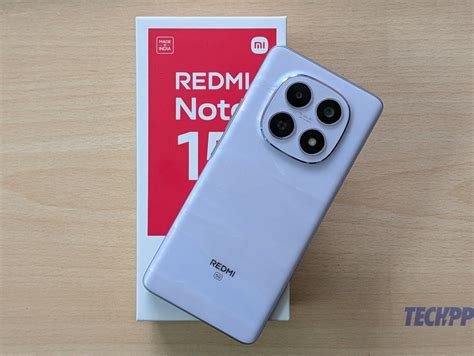
The Redmi Note 15 series launches with a 108‑megapixel main sensor, Snapdragon 6 Gen 3 chipset, a 5,520 mAh battery, and Pro models offering up to 512 GB of storage—delivering flagship‑like specs at a mid‑range price point, though prices are higher than the previous generation.
Key Upgrades Over Redmi Note 14
The most noticeable change is the 108 MP primary camera, which uses sensor‑cropping to provide optical‑level digital zoom without a dedicated telephoto lens. AI‑driven photography tools are expanded across the lineup, while Pro variants unlock advanced scene‑recognition and enhanced portrait modes.
Performance and Battery
The base Note 15 5G is powered by the Snapdragon 6 Gen 3 processor, paired with up to 12 GB RAM. All models feature a massive 5,520 mAh battery, promising full‑day usage even under heavy media consumption.
- Chipset: Snapdragon 6 Gen 3
- RAM: 4 GB – 12 GB
- Storage: 128 GB – 512 GB (Pro variants)
- Battery: 5,520 mAh
Design and Display
Xiaomi refines the aesthetic with a slimmer profile and a larger 6.77‑inch AMOLED panel that supports a 120 Hz refresh rate for smoother scrolling and gaming. The upgraded build feels more premium, aligning the series with Xiaomi’s “premium design meets everyday reliability” theme.
Pricing Overview
European pricing places the entry‑level Note 15 5G at around €279, while the top‑end Note 15 Pro 5G with 12 GB RAM and 512 GB storage starts near €429. Early‑bird discounts and trade‑in bonuses are available for a limited period, easing the impact of the higher price tag.
Model Lineup Explained
Xiaomi offers five distinct models:
- Redmi Note 15 (4G)
- Redmi Note 15 5G
- Redmi Note 15 Pro (standard)
- Redmi Note 15 Pro 5G
- Redmi Note 15 Pro+ (max RAM and storage)
This variety provides targeted options for different budgets but can also create decision fatigue for shoppers.
How Redmi Note 15 Compares in Its Segment
In the €300‑€450 bracket, the Note 15 competes with Samsung Galaxy A54, Realme 12 Pro+, and Motorola Edge 30 Neo. Its 108 MP sensor offers higher raw resolution, while the 5,520 mAh battery outpaces most rivals that sit around 5,000 mAh. Performance from the Snapdragon 6 Gen 3 holds its own against MediaTek Dimensity 7200‑plus chips found in competing devices.
Strategic Implications for Xiaomi
By raising both specs and price, Xiaomi nudges the Redmi Note line toward a “premium‑budget” niche. This move may help offset tightening margins in the ultra‑low‑cost segment and fund advanced AI features and larger batteries. However, it risks alienating long‑time fans who expect sub‑€300 pricing for a fully capable phone.
Final Verdict
The Redmi Note 15 delivers a solid hardware upgrade—most notably the 108 MP camera and larger battery—while positioning itself at a modest premium. Power users who value AI‑enhanced photography, a smooth high‑refresh display, and extended battery life will find the Pro variants compelling. Budget‑focused buyers still receive respectable performance, but the narrowed price gap to rival mid‑range phones means the series must prove its value beyond specs alone.